There is a particular pleasure in finishing a long ride through Provençal lavender fields and sitting down to a three-course lunch at a family-run mas — rosé already chilled, bread already on the table, and nothing on your agenda but the food in front of you. That experience doesn’t happen by accident. It’s the result of years of relationships with local partners, guides who know the region’s culinary landscape as well as its roads, and a genuine belief that what you eat on a guided cycling tour is as much a part of the trip as where you ride.
Dining on a Trek Travel cycling or hiking and walking tour spans everything from trailside picnics to Michelin-starred evenings in converted farmhouses. Here’s how it all works.
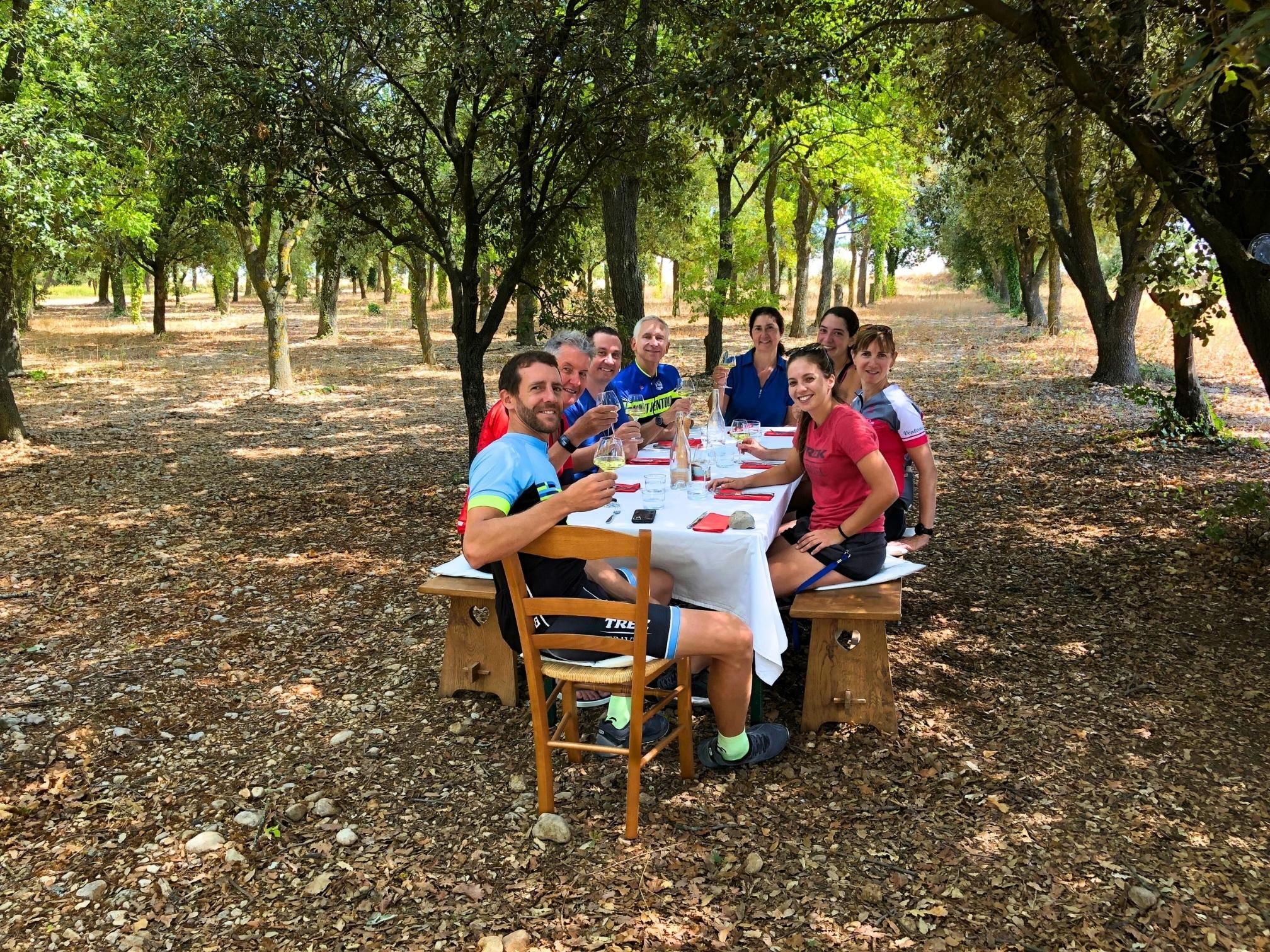
Every meal starts with the region
Whether you’re cycling through the Dolomites, pedaling the Loire Valley, hiking the coastal paths of Croatia, or walking through the hill towns of Tuscany, the food on your plate should reflect where you are. Trek Travel’s guides select restaurants based on three consistent principles: regional cuisine that honors the culinary heritage of the destination, locally and seasonally sourced ingredients from nearby farms, markets, and producers, and a dining atmosphere that feels genuinely of the place — warm service, not performance.
This isn’t a generic “farm to table” claim. It’s a practical standard applied at every meal, in every destination, across every Trek Travel tour.
Breakfast: included every day, rooted in the local
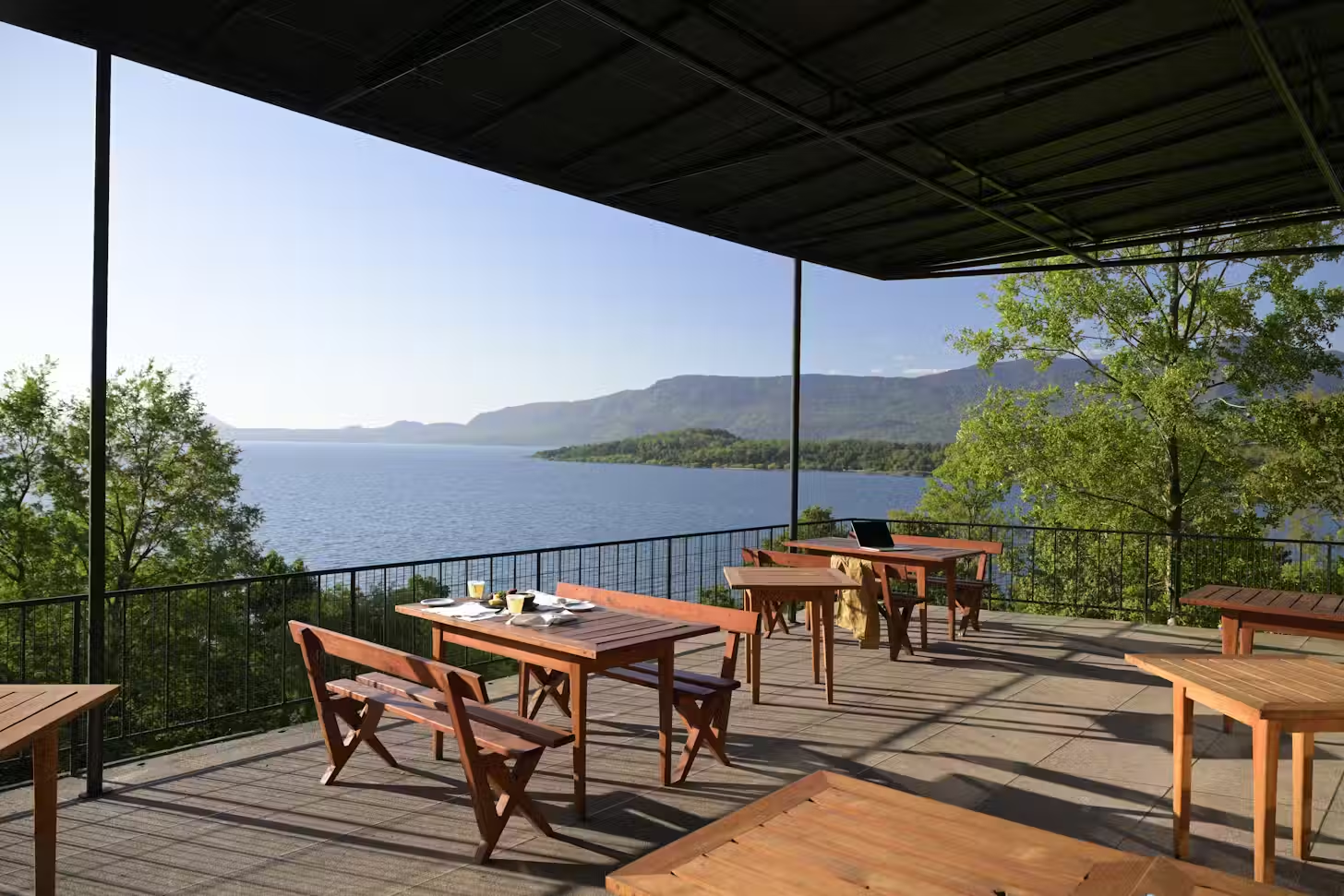
Daily breakfast is included on every Trek Travel tour. Most mornings it’s served at your hotel restaurant, though in some destinations your guides may partner with a favorite local café or off-site venue that better captures the region’s morning rituals.
The format depends on the destination — a buffer spread in a French château-hotel, an à la carte menu in a Sicilian masseria, a bakery spread in a Danish coastal town. Wherever you are, your hotel partners prioritize fresh, seasonal, and regionally sourced ingredients: local pastries, farm-fresh eggs, artisanal cheeses, house-made jams. The goal is a breakfast that genuinely reflects where you’ve woken up, not a hotel buffet that could be anywhere.
Lunch: from signature spreads to solo bistro stops
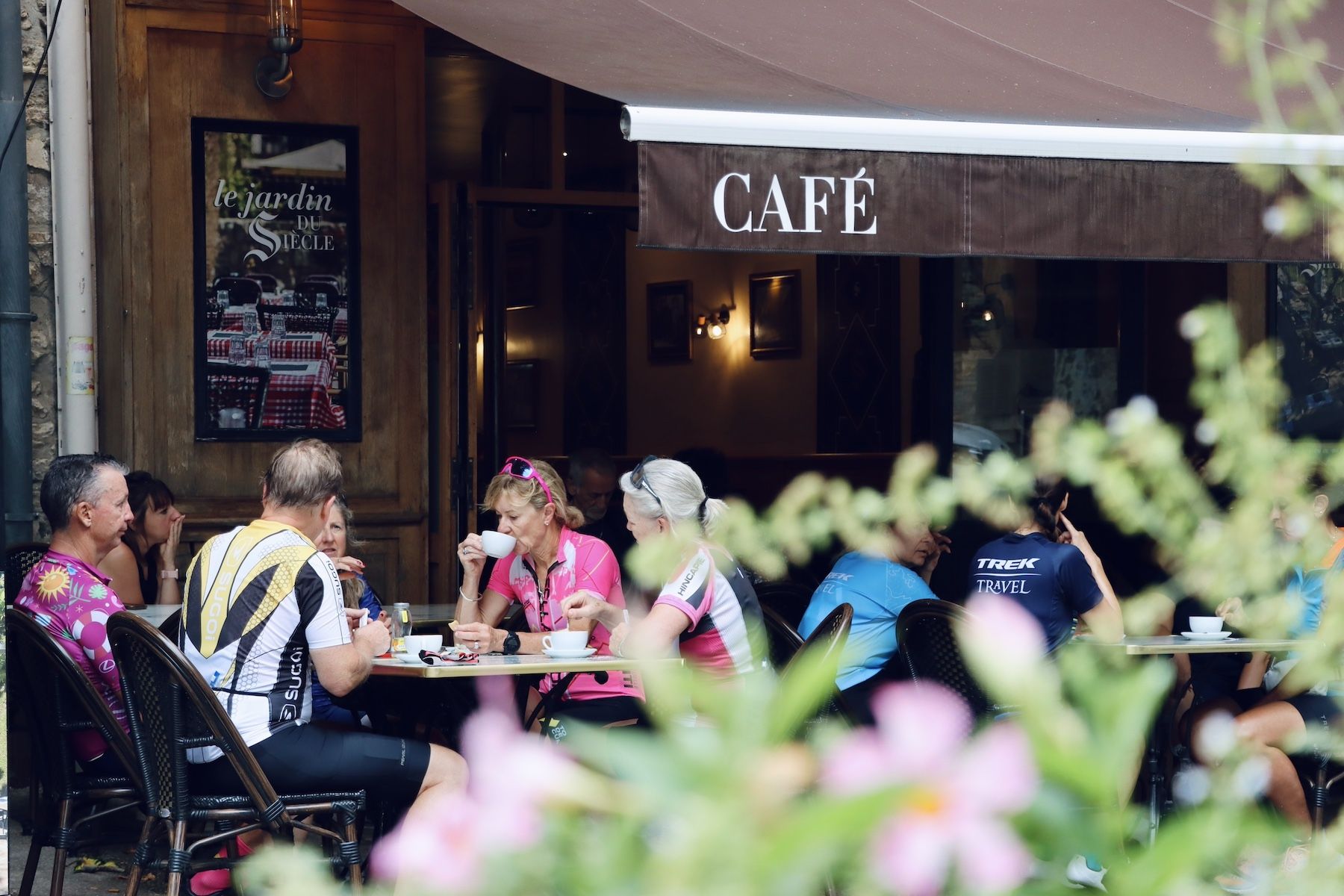
Lunch experiences vary by destination and the rhythm of each day — whether that’s the flow of a riding route or the arc of a hiking itinerary. Some lunches are fully included in your trip price. Others are guest choice — you select and pay independently, guided by a curated list of local recommendations your guides prepare. Your digital itinerary specifies which format applies to each day so there are no surprises.
In every case, your guides steer you toward restaurants built on regional specialties, authentic preparation techniques, and high-quality local sourcing. A lunch stop in Andalucía looks and tastes different from one in the Loire — and it should.

Signature picnics: a Trek Travel hallmark
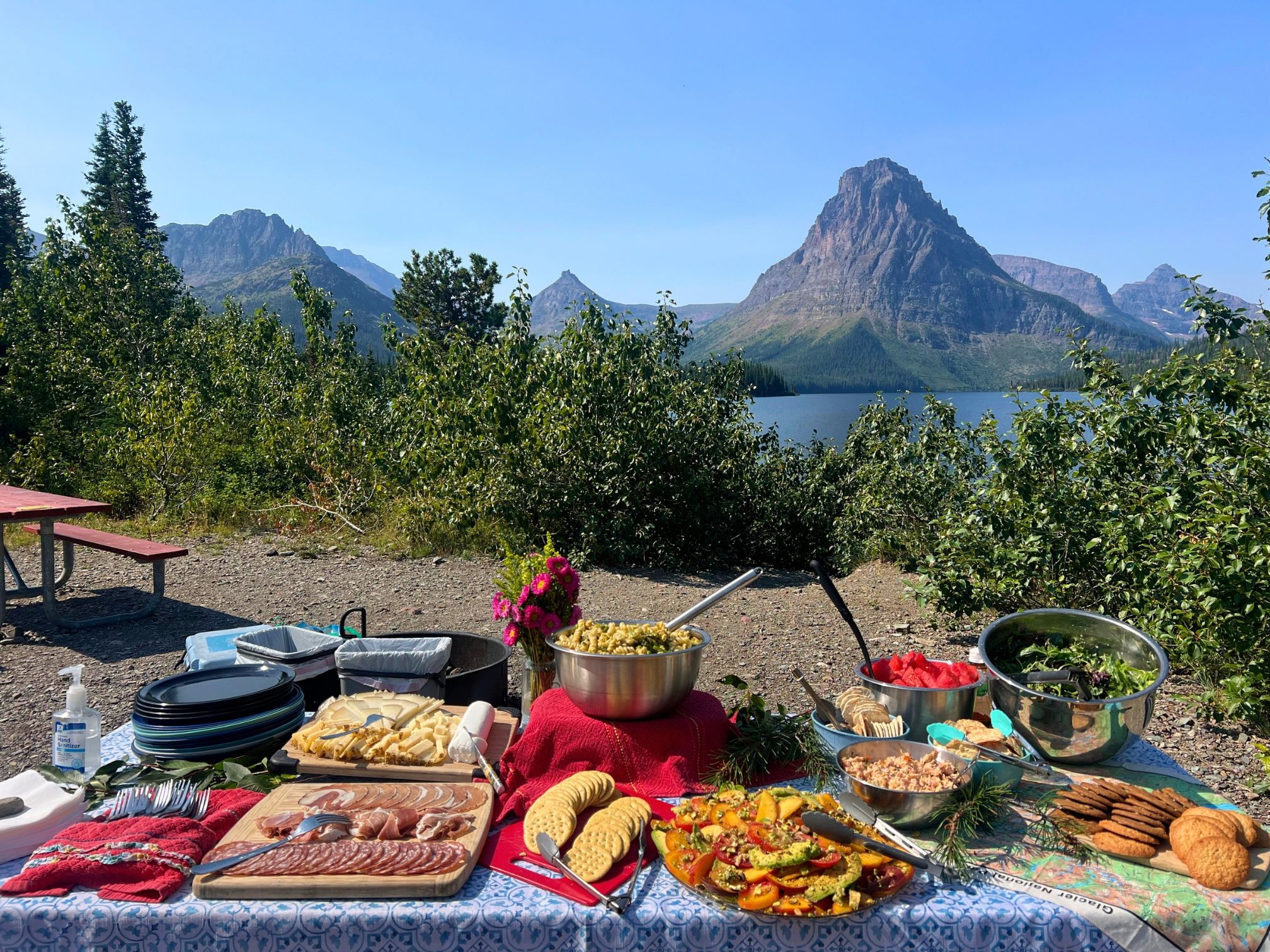
Some of the most memorable meals on a Trek Travel tour happen outdoors. Signature picnics are a Trek Travel hallmark — curated spreads designed to celebrate local flavor while fueling you for the afternoon ahead, whether you’re back in the saddle or continuing on foot.
Expect generous, thoughtfully assembled tables: regional cheeses, fresh breads from local bakeries, seasonal produce, savory dips, salads, and prepared dishes sourced from the surrounding area. A signature picnic in Provence draws from the same producers your hotel does — olives, cured meats, chèvre, tapenade. In Tuscany, it’s pane Toscano, finocchiona, and fresh-pressed olive oil. The picnic is a meal, not a rest stop.
Casual picnics: grab-and-go on flexible days
On days with a lighter schedule or more independent structure, Trek Travel offers relaxed, grab-and-go picnic options: hearty sandwiches, fresh fruit, snacks, and beverages you can enjoy at your own pace — at a trailhead, beside a lake, or carried along with you as you ride. The format is deliberately low-key, giving you the freedom to eat when and where you want.
Dinner: the culinary heart of the trip
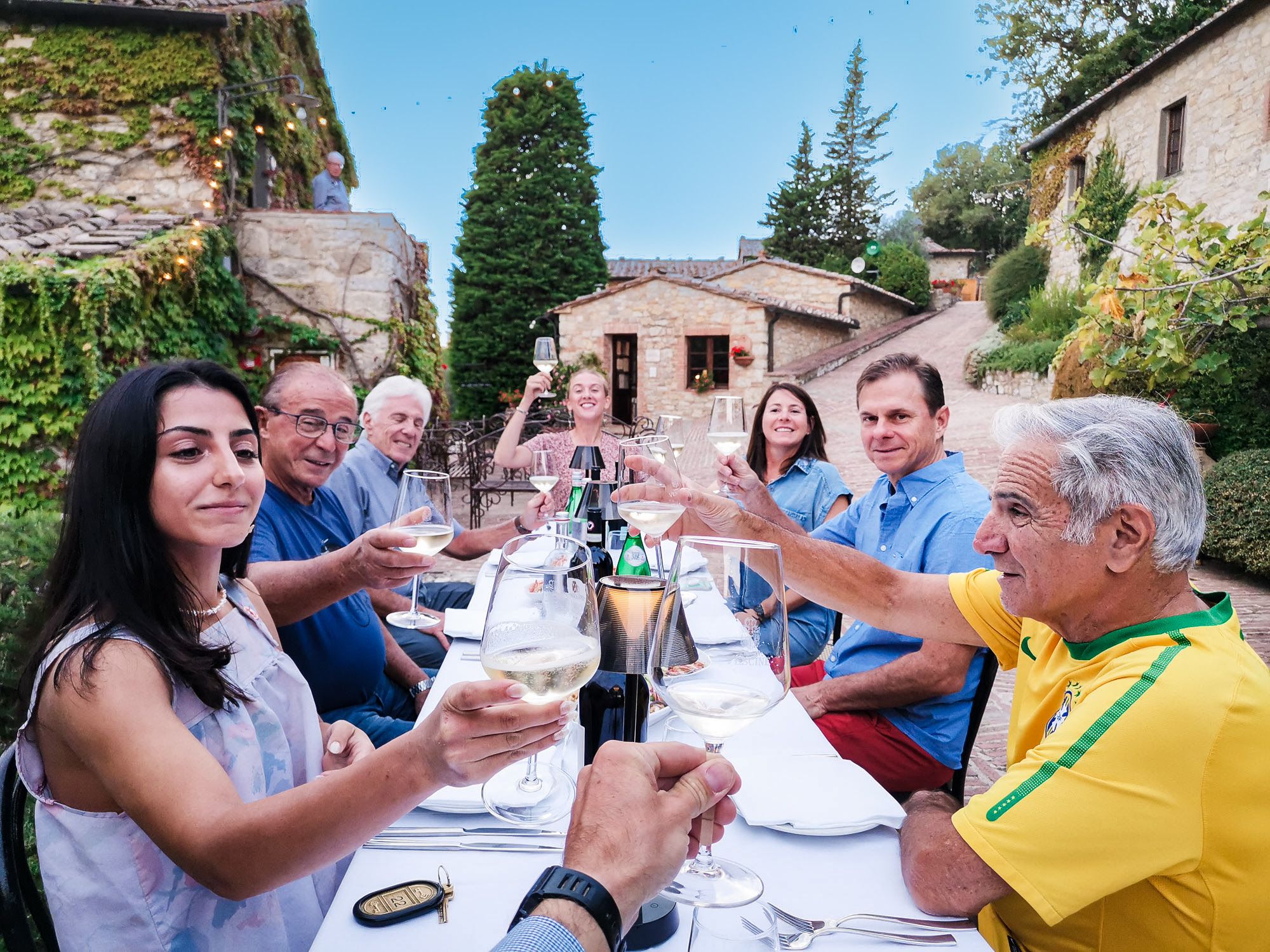
Dinner is where the day comes together. Trek Travel dinners range from casual neighborhood restaurants with no sign out front to celebrated multi-course experiences at Michelin-recognized tables — and everything in between.
Your guides and Trek Travel’s destination teams select dinner venues using the same standards as every meal: regional cuisine, local sourcing, and exceptional service. They work closely with restaurant partners to ensure menus reflect the best of the area, and to accommodate dietary needs wherever possible. Some dinners are included in your trip price; others may be guest choice or at leisure, as indicated in your itinerary.
Guest choice meals: your pick, our list
For guest choice meals, you select and pay for your preferred dining experience from a guide-curated list of recommended restaurants. You’re not handed a phone and left to search — your guides do the groundwork so your decision is between genuinely excellent options suited to the destination and the evening.
At leisure meals: independent dining, included in your price
At leisure meals offer a particular kind of freedom. The cost is included in your trip price, but you dine with your preferred travel companions — without guides. Before you head out, your guide provides detailed information: the restaurant’s location, what’s included, timing, and any context that helps you make the most of the experience. You’re dining independently, at your own pace, at a venue chosen with the same care as every other Trek Travel meal.
This format is especially popular with travelers who want the security of a curated recommendation combined with the intimacy of a private dinner.
Dietary restrictions and special preferences
Trek Travel is committed to accommodating dietary preferences, allergies, and restrictions to the fullest extent possible in each destination. The more specific you can be about your needs, the better Trek Travel can communicate with hotel partners, restaurant partners, and guides to set expectations in advance and arrange alternatives where needed.
It’s worth knowing that some regions are less well-equipped to accommodate certain restrictions — particularly highly specialized or complex requirements. If you have specific dietary needs, the right time to discuss them is before you book. Your Trip Consultant can advise on which destinations and trip styles are best suited to your situation.
If a meal isn’t quite hitting the mark once you’re on the road, speak with your guide directly. Adjustments can often be made in real time, and your guide’s job is to make sure the experience works for you.
The difference dining makes
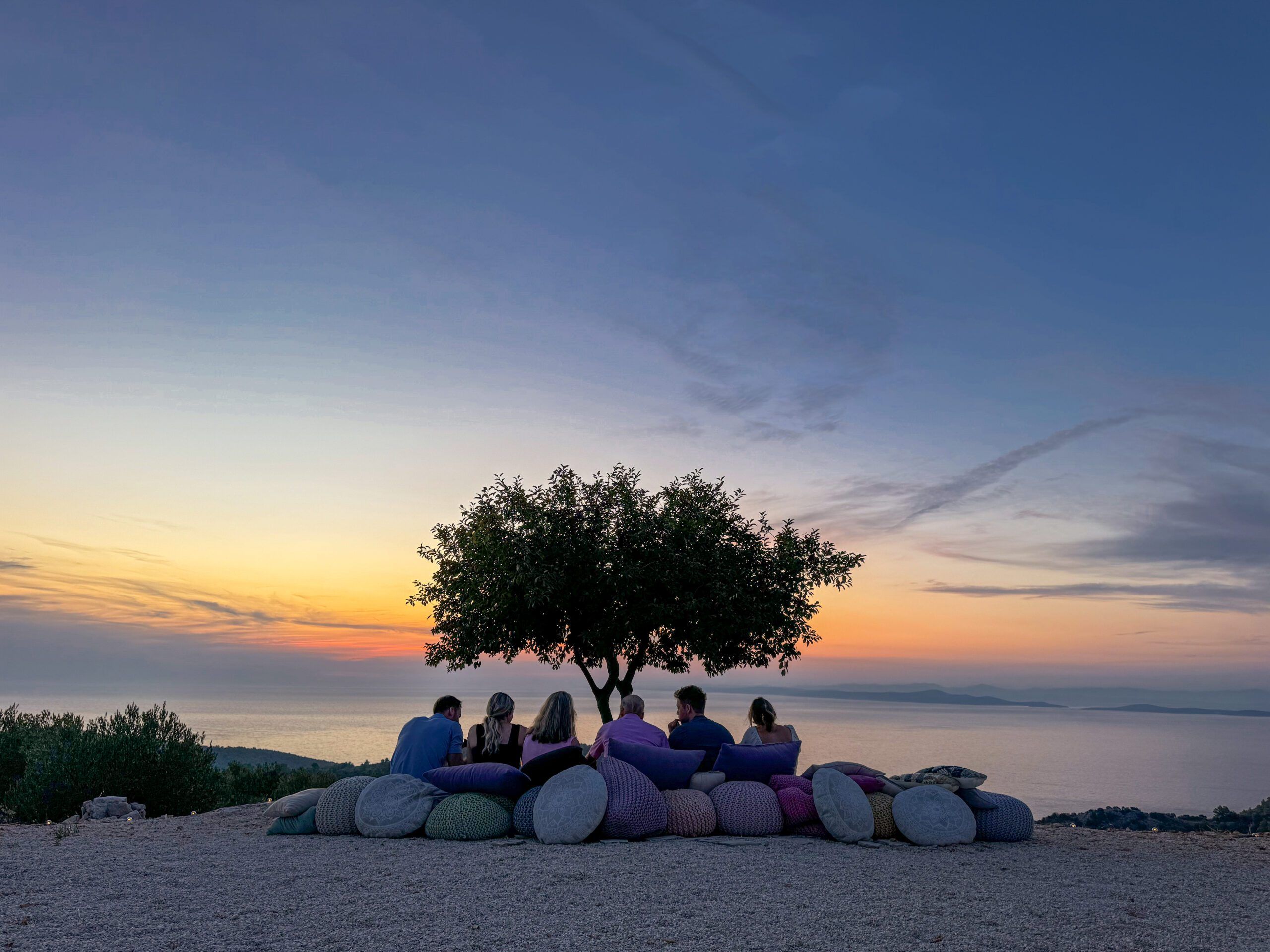
Plenty of guided touring companies list “meals included” as a feature. Trek Travel treats dining as a core part of the trip itself — a way to understand a destination through its food, slow down between riding or hiking days, and build the kind of shared experiences that make a trip worth remembering long after you’re home. That’s as true on a hiking and walking tour through Portugal as it is on a cycling week in the French Alps.
Frequently Asked Questions
What meals are included on a Trek Travel tour?
Trek Travel includes daily breakfast on every tour. Lunches and dinners vary by trip and destination — some are fully included, some are guest choice (you select and pay independently from a guide-curated list), and some are at leisure, where the cost is included but you dine independently with your travel companions. Your digital itinerary specifies which format applies to each meal.
How does Trek Travel handle dietary restrictions and food allergies?
Trek Travel accommodates most dietary preferences, allergies, and restrictions by communicating your needs to hotel partners, restaurant partners, and guides in advance of your trip. The more specific you can be about your requirements, the better Trek Travel can set expectations and arrange alternatives. Some regions are less well-equipped to accommodate certain restrictions — your Trip Consultant can advise on this before you book.
What is a Trek Travel signature picnic?
Trek Travel signature picnics are curated outdoor lunches featuring regional cheeses, freshly baked local breads, seasonal produce, savory dips, salads, and prepared dishes sourced from the area. They are designed to be a genuine dining experience in a scenic setting, not just a fuel stop. Signature picnics are a Trek Travel hallmark and appear on many guided cycling tours in Europe and North America.
What is an "at leisure" meal on a Trek Travel tour?
An at leisure meal is one where the cost is included in your trip price, but you and your travel companions dine independently without guides. Before the meal, your guide provides detailed information about the restaurant, timing, and what’s included. At leisure dining is chosen with the same attention to regional quality and seasonal ingredients as all Trek Travel meals — you’re simply experiencing it on your own terms.
What is a "guest choice" meal on a Trek Travel tour?
A guest choice meal is one where you select and pay for your own dining experience. Trek Travel guides provide a curated list of recommended restaurants suited to the destination and the day, so you’re never navigating blind — you’re simply given the freedom to choose your experience and dining companions.
Do Trek Travel guides eat with guests at every meal?
Not at every meal. Guides join guests for many dinners and shared experiences, but at leisure meals are intentionally independent — you dine with your preferred travel companions while your guide provides all the information you need in advance. This format gives travelers the flexibility to set their own pace and enjoy meals privately when they want to.
How does Trek Travel select restaurants on its tours?
Trek Travel’s team and local guides select restaurants based on three main criteria: authentic regional cuisine that reflects the culinary heritage of the destination, locally and seasonally sourced ingredients from nearby farms and markets, and a warm atmosphere with excellent service. Trek Travel works closely with restaurant partners to accommodate dietary needs and ensure menus reflect the best of the region.
What is breakfast like on a Trek Travel tour?
Daily breakfast is included on every Trek Travel tour and is typically served at your hotel restaurant, though some destinations partner with a local café or off-site venue. The format may be a buffet or à la carte depending on the region. Trek Travel’s hotel partners emphasize fresh, seasonal, and regionally sourced ingredients — from local pastries to farm-fresh eggs and artisanal products unique to the area.


