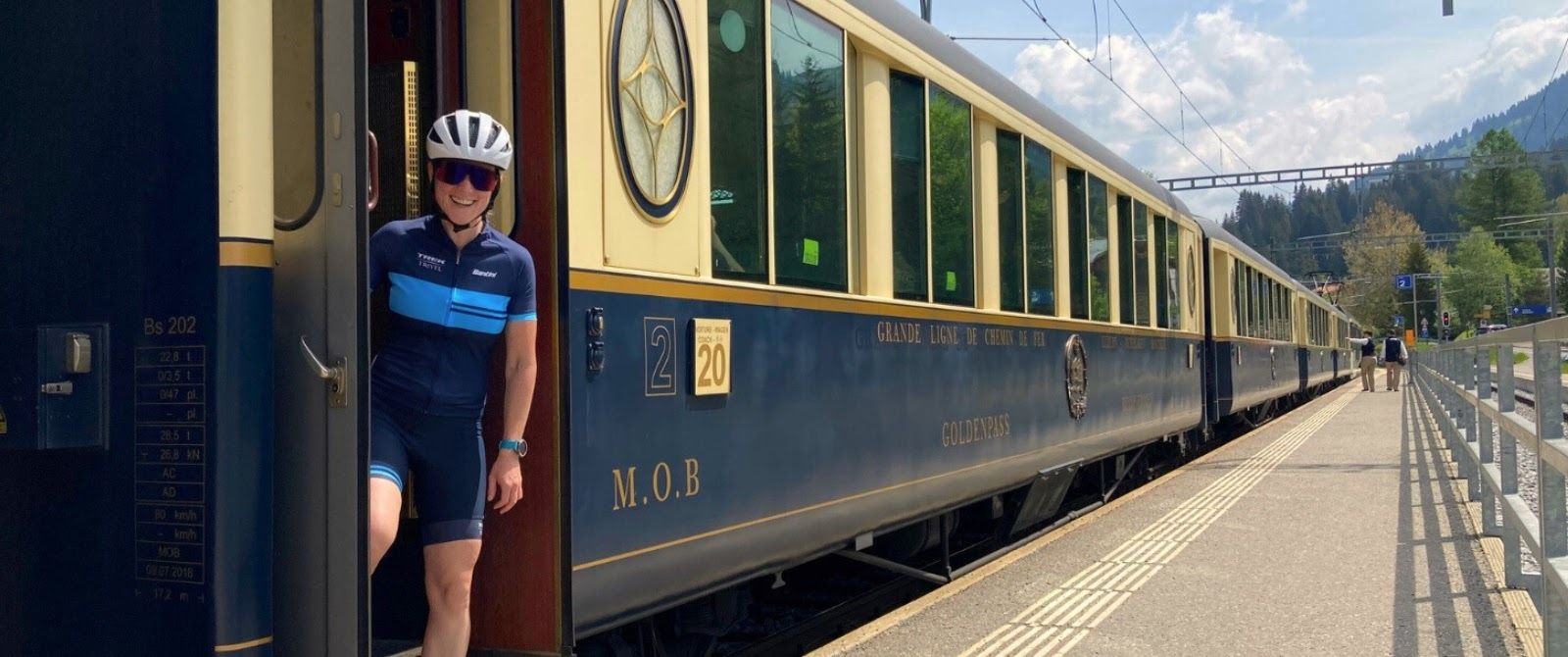
For many North American travelers, European train travel can feel intimidating at first. Busy stations. Unfamiliar platforms. Announcements in another language.
The good news? Rail travel in Europe is one of the easiest, most comfortable, and most scenic ways to move between destinations. Once you’ve done it once, you may never want to fly short distances again. Expect spacious seats, smooth rides (no turbulence), and uninterrupted time to read, work, enjoy the views, or simply relax as the countryside rolls by.
Why Take the Train in Europe?
Traveling by train isn’t just practical — it’s part of the experience.
- City center to city center: No long airport transfers
- Fast and scenic: Especially on high-speed routes
- Time-efficient: Minimal security compared to airports (Spain has quick checks on select routes)
- Eco-friendly: Lower carbon footprint than flying
- Comfortable: More legroom and the ability to move freely
- Live like a local: Using public transit connects you to the culture faster
Types of European Trains
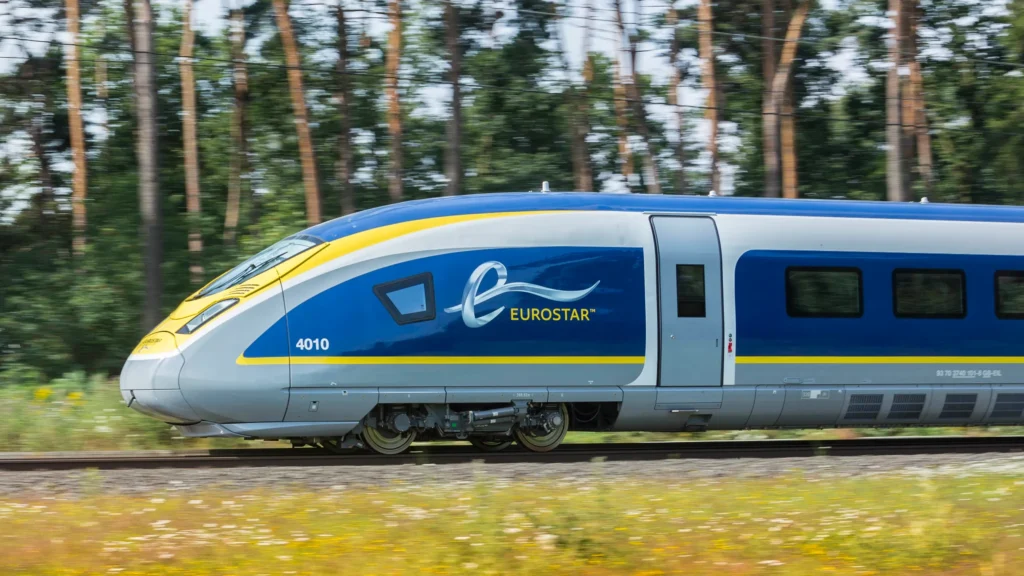
High-Speed Trains: High-speed trains connect major cities at speeds rivaling short flights. France’s TGV, Germany’s ICE, Spain’s AVE, and Italy’s Frecciarossa all exceed 200 mph. The Eurostar links London to Paris in just over two hours through the Channel Tunnel. These trains feature reserved seating, onboard dining, and have excellent Wi-Fi. Book early-dynamic pricing means tickets purchased three months ahead cost a third of same-day fares.
Regional Trains: Regional trains connect smaller towns at a leisurely pace, following coastlines and valleys that high-speed lines bypass. Italy’s Regionale, Germany’s RE and RB, and France’s TER trains rarely require reservations and cost significantly less. Locals use these for daily commutes, and the slower journey often proves as memorable as the destination.
Night Trains: Board after dinner, sleep through the journey, wake in a new country. Austria’s Nightjet connects Vienna to Venice, Zurich, and Hamburg in sleeper cabins ranging from six-berth couchettes to private compartments. A night train ticket replaces both transport and a hotel room, costing 50 to 150 euros while saving a travel day.
Planning Your Trip
Unlike airlines, many European railways release schedules only a few months in advance. This varies by country and route. If you’re planning early:
Use Trainline or Rail Europe to preview sample itineraries, durations, and estimated pricing.
When Ticket Sales Typically Open
| Country | Typical Booking Window |
| France | ~3 months |
| Spain | 2–3 months |
| Italy | 4–6 months |
| Norway/Sweden | ~3 months |
| UK/Ireland | ~12 weeks |
| Germany/Austria/Switzerland | ~6 months |
Pro tip: Select a date that falls on the same weekday you plan to travel for more accurate comparisons. If your date isn’t visible yet, that’s normal. Check back closer to departure.
Country-Specific Notes:
France: High-speed trains sell out quickly so book early.
Spain: Schedules sometimes appear late. Be patient.
Italy: Compare both Trenitalia and Italo for best fares.
Croatia & Slovenia: Limited rail networks so reserve early for summer travel.
Norway: Scenic routes (like Bergen–Oslo) fill fast.
Helpful Train Booking Apps:
| Multi-country | Country-Specific |
| Trainline | SNCF Connect (France) |
| Rail Europe | Renfe (Spain) |
| Trenitalia (Italy) | |
| DB Navigator (Germany) | |
| ÖBB (Austria) | |
| Vy (Norway) | |
| SJ (Sweden) |
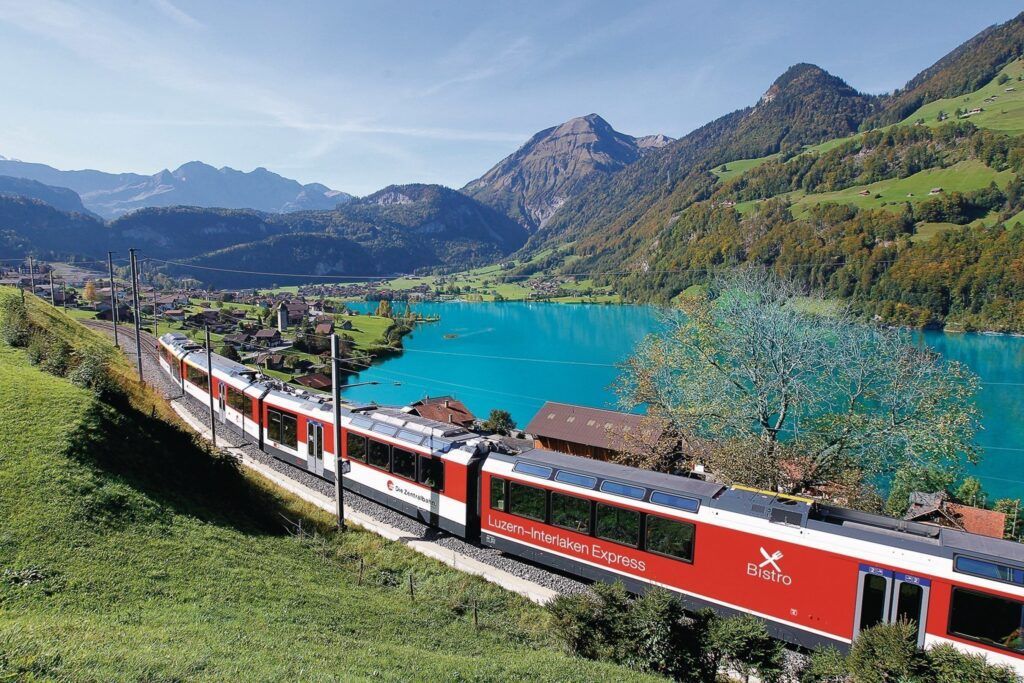
What to Expect at the Station
- Arrive 30–45 minutes early
- Check departure boards for train number and platform
- Multiple trains may depart close together so confirm carefully
- Dining cars exist but can be pricey, it’s always helpful to pack snacks and water
- Security checks are rare compared to airports, though Spain conducts quick screenings on select routes.
Tips for North American Travelers
- There is no checked luggage. You carry your bags onboard
- Second class is comfortable; first class offers more space and quieter cars
- Use a credit card with no foreign transaction fees
- First class tickets often allow seat selection
Keeping Your Belongings Safe
- Store larger luggage in racks at the end of the car
- Keep passports, wallets, and valuables at your seat
- Ticket attendants may check IDs so keep them accessible
- If you nap, secure your belongings
- Money belts aren’t glamorous, but they’re practical.
Pre-Departure Checklist
- Compare routes on Trainline/Rail Europe + country apps
- Book high-speed tickets as soon as sales open
- Allow at least 2 hours between international flight arrival and train departure
- Note your train number and platform
- Validate regional tickets if required
- Keep passport and essentials easily accessible
- Pack water and snacks
Now You’re Ready to Travel by Train
One of the best parts of traveling in Europe is how seamlessly trains connect iconic destinations. Whether you’re heading to Tuscany, the French Alps, Portugal, or beyond, rail travel turns transportation into part of the experience. Slow down. Watch the landscape change. Arrive directly in the heart of your next adventure.
And if you ever feel unsure — our Trip Consultants and Guest Experience Team is always here to help you plan the smoothest journey possible.


