We’re passionate about exploring the world by bike and on foot, connecting with new cultures, landscapes, and perspectives. Every trip leaves a mark—some positive, like supporting local economies and incentivizing conservation, and some negative, like carbon emissions and on-trip waste. We’re committed to understanding the full nature of our impact and making meaningful changes in our operations to help protect the places we love—for this trip, the next one, and for future generations to come.
Before we dive in, let’s break down some quick carbon terminology. When companies report their greenhouse gas emissions, they’re typically sorted into three scopes: 1, 2, and 3. These categories help us understand what part of our global footprint we can directly control—and what’s a bit trickier to tackle, like emissions that come from our suppliers or other outside sources.
2023 Estimated Emissions: 52 kg CO2e per guest, per day
2024 Estimated Emissions: 44 kg CO2e per guest, per day
2025 Estimated Emissions: 45 kg CO2e per guest, per day
Each year, we commit to transparently reporting our emissions—whether we’re ahead or behind our targets. As data quality improves, our calculations may evolve, reflecting best practices and better accuracy.


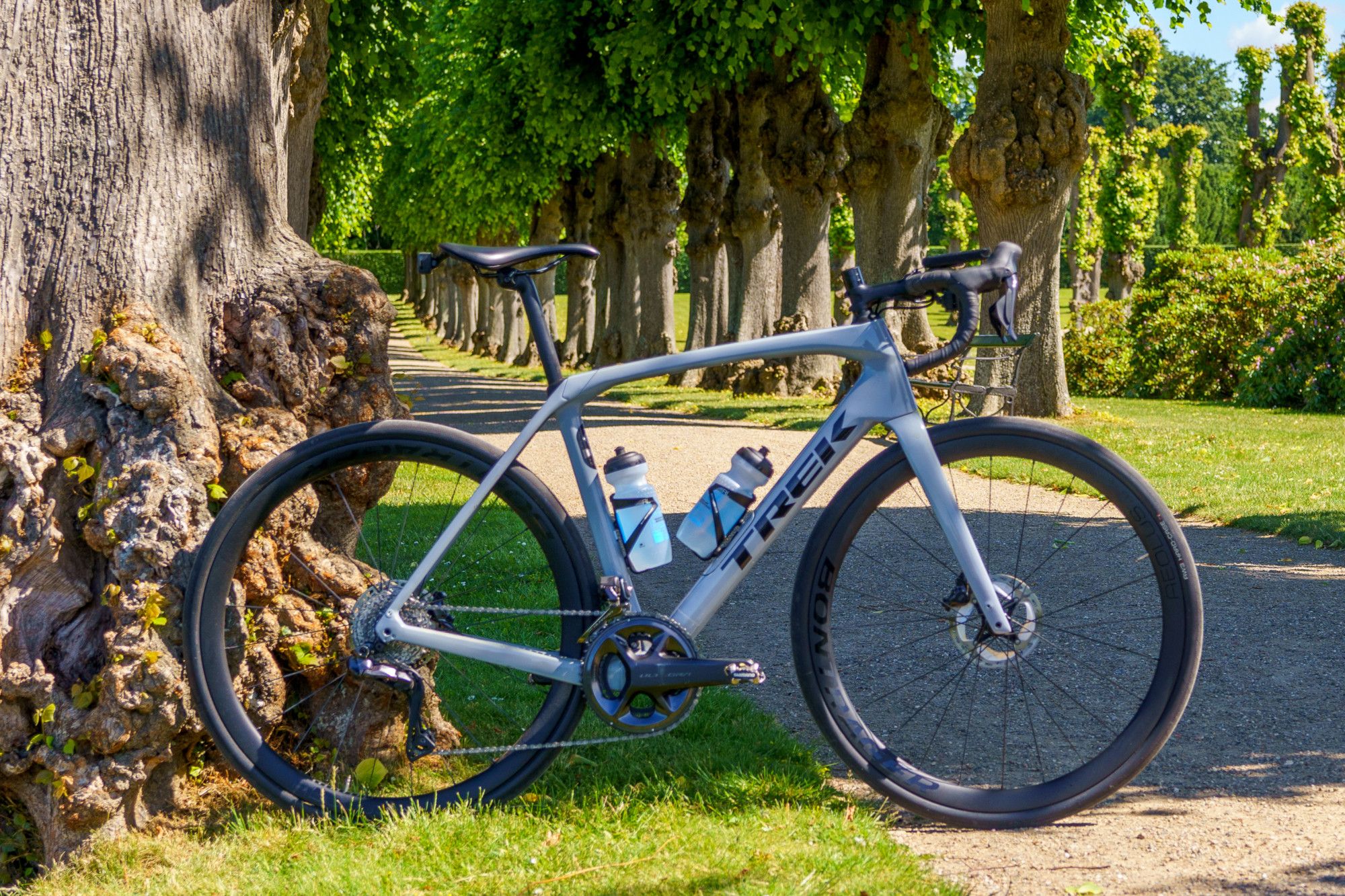
When it’s time to retire our bike fleets, the adventure is far from over. These bikes still have plenty of miles left in them, so we pass them along to happy new owners. In the U.S., we often sell them through our Shop or Trek’s Red Barn Refresh program—an awesome initiative that lets riders trade in old bikes for store credit and keeps quality bikes rolling with minimal need for new materials. Consider this trade-in program the next time you need a new ride! And to shop directly for used Trek Travel bikes visit our online store here.
When your tires have rolled their last mile, don’t toss them—recycle them for free at any Trek retail store in the US. Thanks to our partnership with Liberty Tire Recycling, old tires get a second life as safe, eco-friendly products. On our US trips, Trek Travel guides collect used tires along the way and recycle them through this program—keeping waste out of landfills and helping the planet, one ride at a time. Read more

We proudly support the Trek Foundation—a public trail development and land protection initiative. It’s one of the many ways Trek and Trek Travel work together to make the world better by getting more people on bikes and protecting the wild places we love to ride. Because epic adventures deserve epic trails—for today and tomorrow.

We’re working to cut emissions—but many things are still out of our hands. That’s why we’ve teamed up with Klimate to support innovative carbon removal and long-term storage projects. These groundbreaking solutions are key to addressing climate change on a global scale, and we’re proud to play a small part now—with plans to grow our impact over time.
Additional Support
We’re proud to support organizations that are doing good in the world—getting more people on bikes, empowering local communities and entrepreneurs, advancing sustainability and meaningful travel in tourism, and expanding access to bikes, trails, and better cycling infrastructure. It’s all part of building a brighter future, one ride or hike at a time.






The Sustainability team at Trek Bikes estimates that swapping your car for your bike for a few hundred miles will offset the carbon it took to manufacture that bike. Track your car-free rides with the Trek Ride Club app and see your carbon savings add up—small swaps spark big change.
As you might expect, transportation—especially air travel—makes up the largest share of tourism-related greenhouse gas emissions. For many people, flying is the single most carbon‑intensive activity of the year. Calculating the lowest‑emission travel option isn’t always simple, though. Distance, vehicle type (gas, hybrid, or electric), the age and model of the plane, number of passengers, and the fuel type all influence your per‑person impact. (Online carbon calculators can help compare specific trips.)
General guidelines to keep in mind
General guidelines to keep in mind
Drive when you can. If it’s feasible, choose an efficient rental car—ideally hybrid or electric—and carpool with at least one other person. Fly smarter. When flying makes the most sense, choose the most direct route and book economy seats. A business‑class seat takes significantly more space, resulting in roughly double the emissions of an economy seat. Tools like Google Flights now display estimated CO₂ emissions so you can opt for lower‑impact routes.
Choose public transportation. Trains and buses are often the lowest‑emission travel options. Move lightly once you arrive. Walking, biking, and sharing short‑distance transportation (like a Trek Travel van) help reduce emissions during your trip. Combine trips when possible. Staying longer instead of taking multiple shorter trips helps maximize the impact of long‑haul flights.
If some emissions are unavoidable—as they often are—consider offsetting your travel footprint through a reputable organization such as Wren.
Packing a few reusable essentials can significantly reduce single‑use waste when you travel. We recommend:
- Reusable utensil set
- Refillable water bottle and travel coffee mug
- Reusable shopping bag
- Small container for leftovers (great for reducing plastic use and food waste)
- Reusable snack bag or beeswax wrap
- Portable water filter (great for refilling from taps you’d otherwise avoid)
Across all Trek Travel destinations, hotels account for over 43% of trip‑related emissions. Choice of lodging plays a major role in your overall travel footprint—we’re working to reduce emissions from the hotels we partner with, and you can consider a hotel’s sustainability practices when booking personal travel.
Eco‑friendly Accommodations
The most eco‑friendly accommodations typically:
- Use renewable energy
- Conserve water
- Hire locally
- Reduce and responsibly manage waste
- Serve locally sourced food
To identify hotels that genuinely prioritize sustainability, look for recognized certifications such as Green Key, or use booking platforms that curate stays based on environmental standards. Our friends at Tomorrow’s Air recommend Regenerative Travel and Ecohotels as trusted resources.
Once you’ve checked in, simple habits—like reusing towels or opting out of daily housekeeping—can make a meaningful difference in water and energy use.
For many of us, food is one of the greatest joys of travel. While food systems differ across regions, these general principles can help you eat more mindfully:
- Enjoy local dishes made with fresh, regional ingredients
- Dine in when possible to reduce packaging waste
- Be mindful of meat and dairy. Foods like beef and lamb tend to have high carbon footprints due to resource‑intensive production. However, plant‑based options aren’t equally available everywhere, so the most planet‑friendly choices depend on the location.

Find your vacation of a lifetime.
Log in to see upcoming trips, preferences, and much more.
Sign up to personalize your experience and trips.