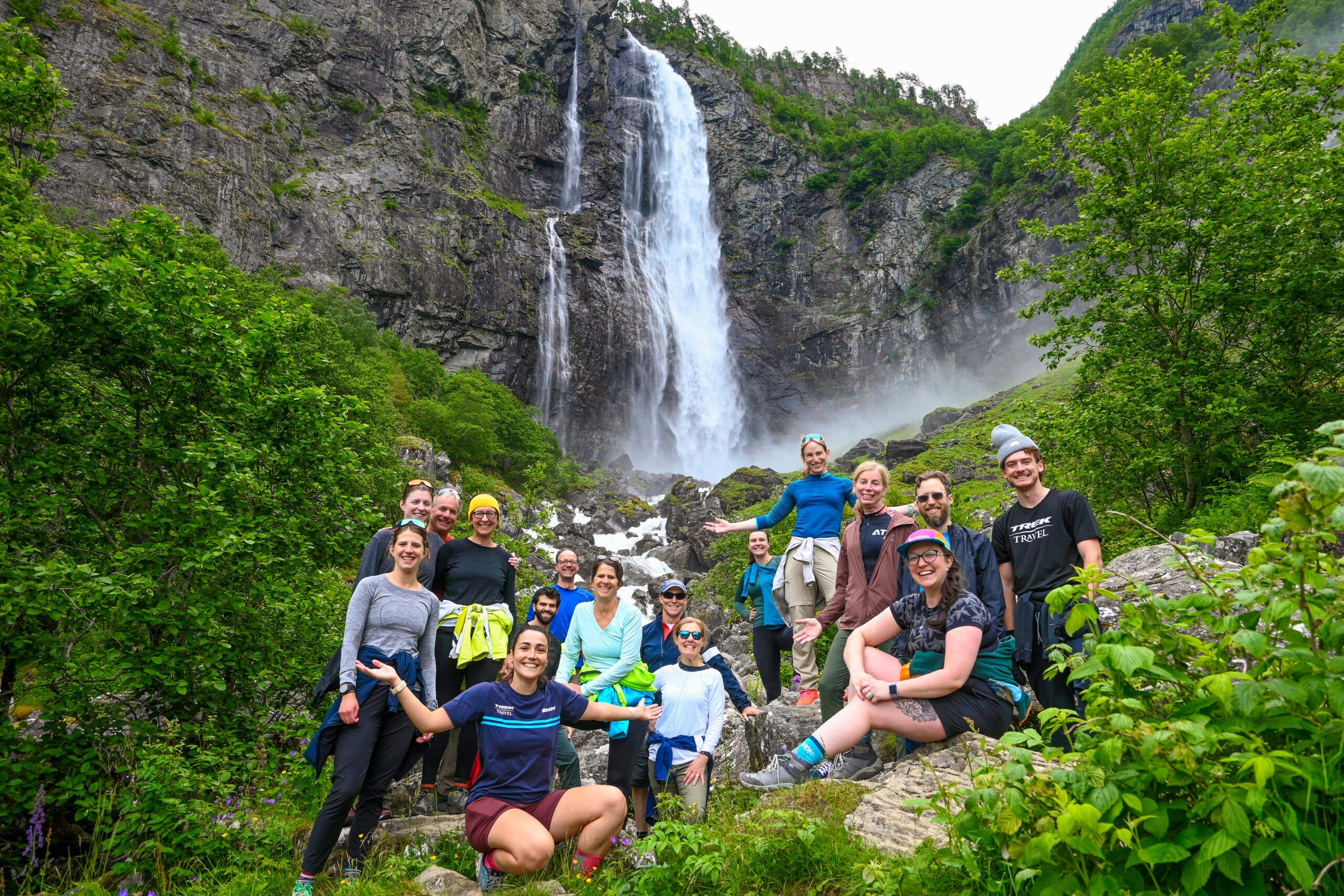
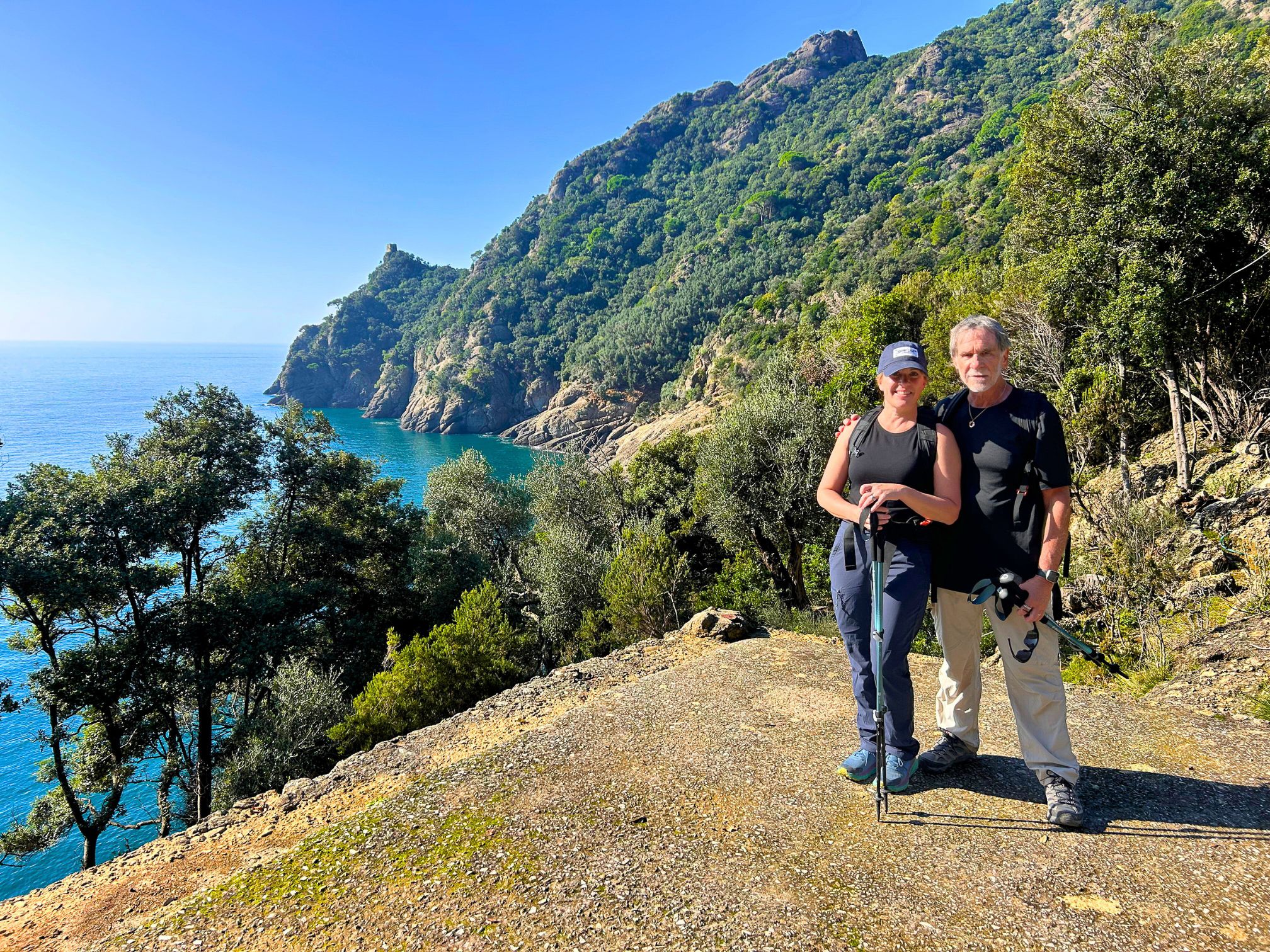
There is a moment on almost every trail, somewhere between the trailhead and the summit, or on a long traverse above a coastline, when the noise stops. Not the wind or the birdsong, but the other kind of noise: the mental churn of schedules, inboxes, and unfinished thoughts. It goes quiet, often without you noticing. You’re just moving through a landscape, and somehow that’s enough. Science has spent the last two decades trying to explain why. The answer turns out to be more interesting than anyone expected.
What nature does to your mind
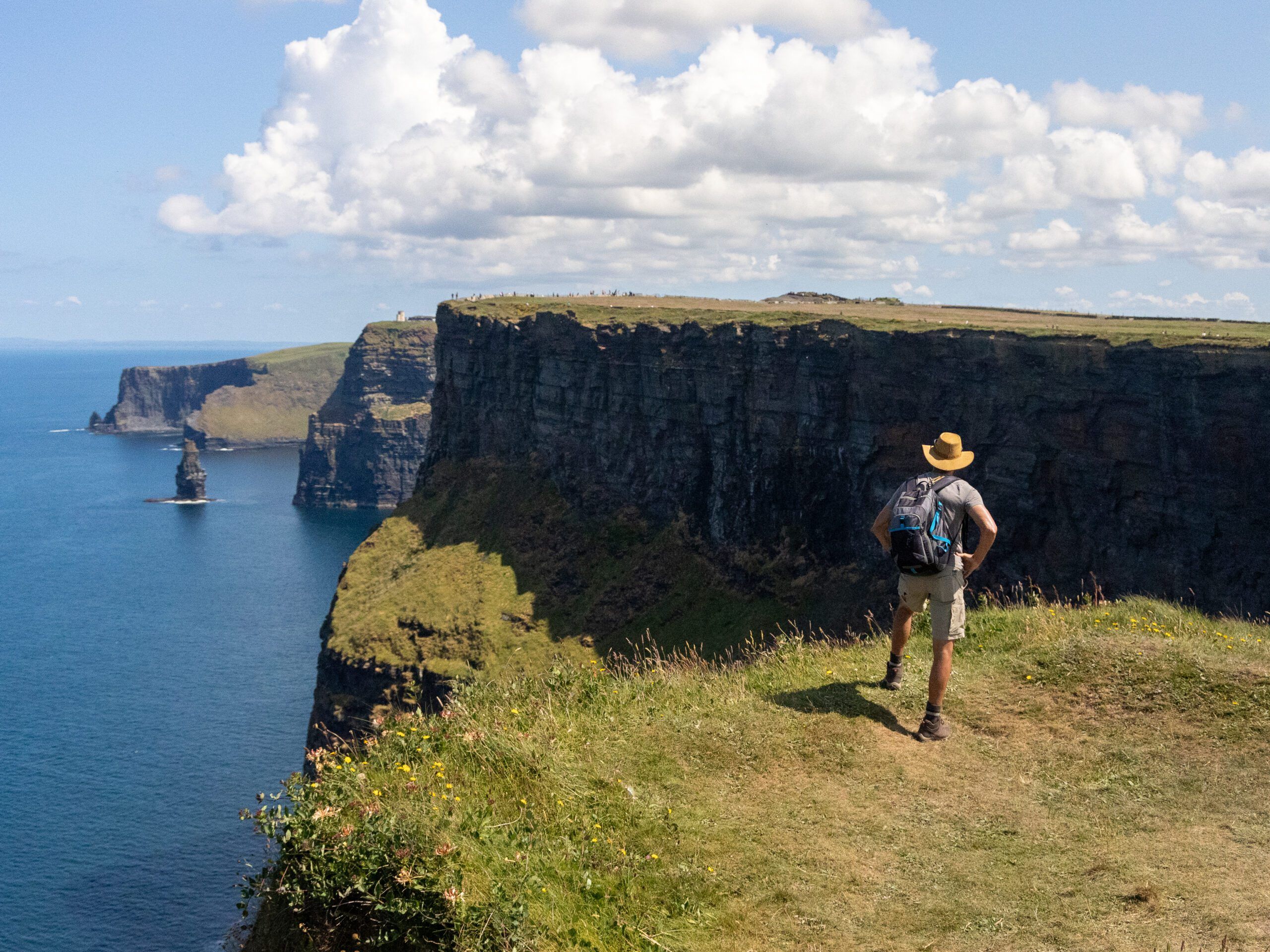
When you walk through a forest, along a coastline, or across an open mountain plateau, your brain does something remarkable: it slows down. The region responsible for rumination, that exhausting loop of anxious, repetitive thought, quiets significantly in natural environments. A Stanford University study found that just 90 minutes of walking in nature reduced neural activity in this region compared to walking in an urban setting. The effect was measurable, not metaphorical.
Hiking also triggers the release of serotonin, dopamine, and endorphins, the brain’s natural mood regulators. Add the gentle rhythm of movement, the unpredictability of terrain, and the sensory richness of a living landscape, and you have a powerful antidote to stress and low mood. Several countries, including South Korea, Canada, and Germany, have already begun prescribing nature walks as part of clinical mental health treatment. The trail, it turns out, is therapeutic in ways that a treadmill simply isn’t.
The physical side of the trail
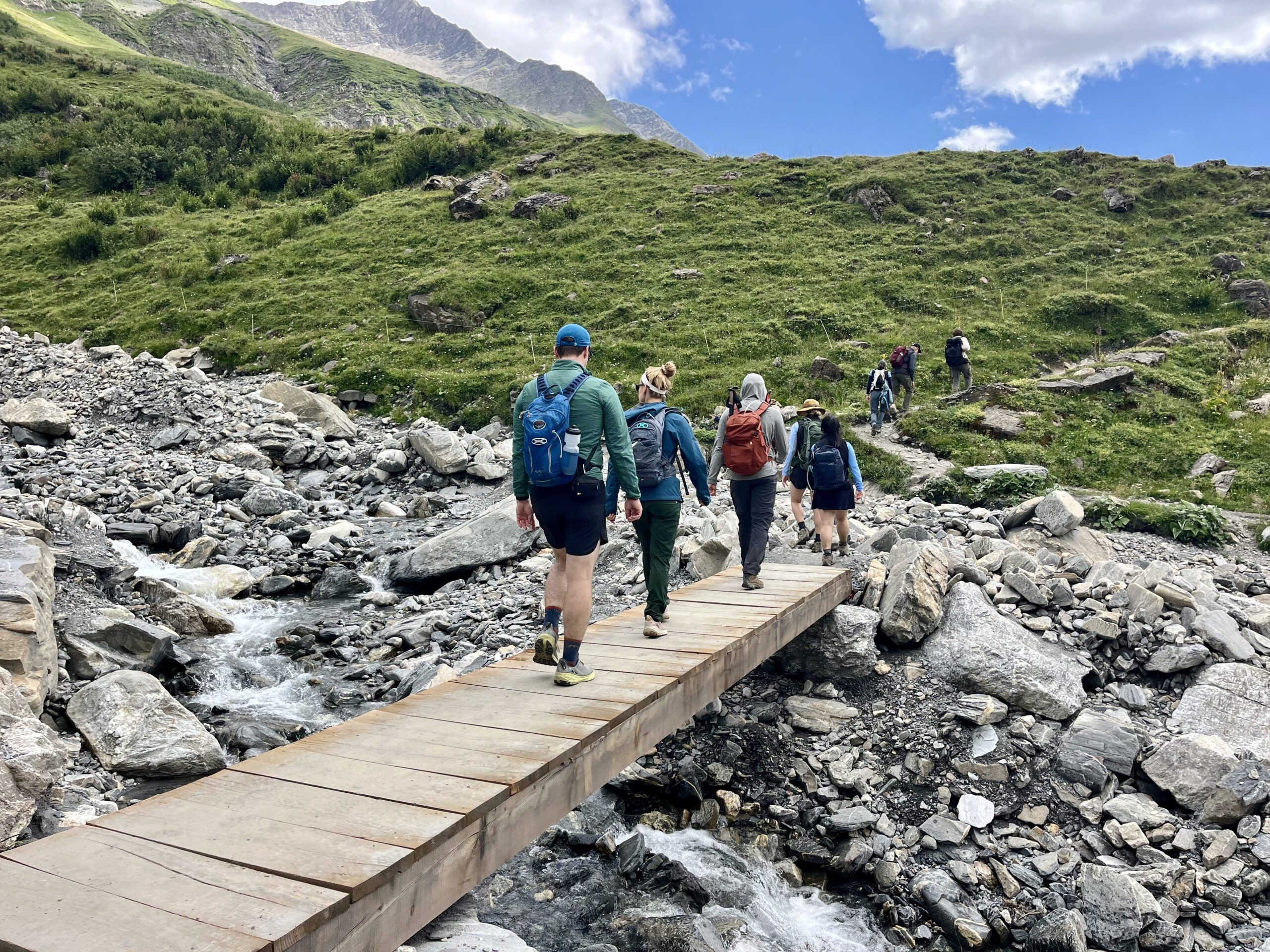
On the body, hiking offers something rare: it’s accessible to almost anyone, yet genuinely effective. It strengthens the heart, engages stabilizing muscles that flat-surface exercise misses entirely, supports bone density, and improves metabolic function. Research points to around 400 to 700 calories burned per hour on the trail depending on terrain and pack weight, without the psychological cost of a gym session, because the scenery keeps pulling you forward.
The sleep benefits are particularly well-documented. Studies tracking hikers over consecutive days outdoors have found sleep quality improvements of around 35% after five days on the trail. The combination of physical exertion, natural light exposure, and time away from screens helps re-regulate circadian rhythms that modern life consistently disrupts.
Where the research meets the trail
The science is compelling on its own terms. But what Trek Travel’s guides have observed over two decades of leading people through natural landscapes adds a dimension that studies don’t fully capture: the social and emotional dimension of moving through somewhere extraordinary together.
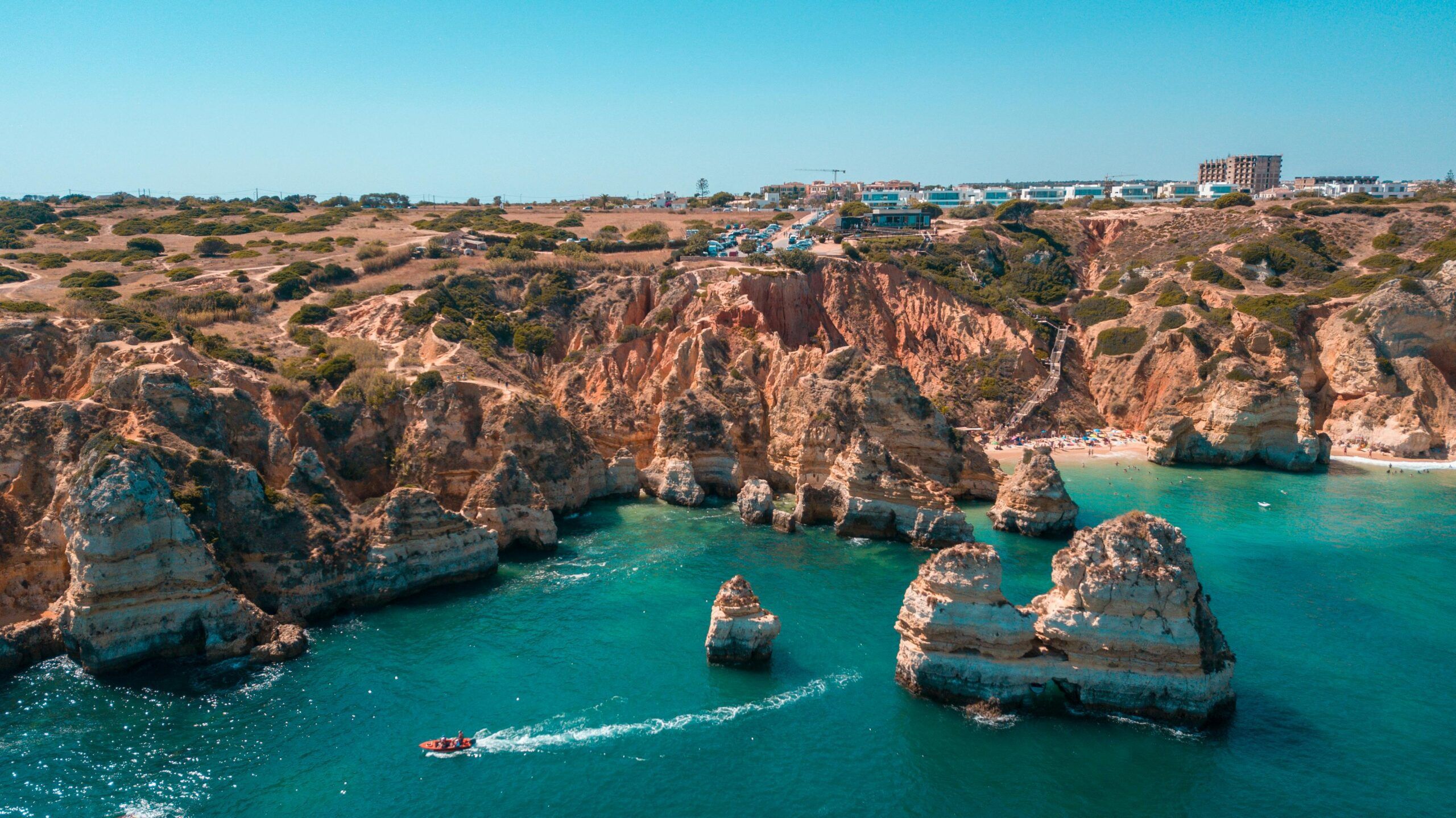
On the Dolomites Hiking & Walking Tour, guests spend days traversing high mountain paths between the pale limestone towers of northeastern Italy, terrain that shifts with the light and demands just enough attention to keep the mind fully present. On the Croatia Hiking & Walking Tour, trails run above the Dalmatian coast with the Adriatic spreading out below, and the day ends with fresh seafood in a harbor town.Or the Portugal Hiking & Walking Tour, where Atlantic coastal paths give way to medieval villages and vineyards, and the landscape keeps surprising you with its variety. These aren’t just pleasant settings. They’re environments that actively displace the mental patterns that stress produces.
How we think about the experience
A great hiking trip is more than a well-mapped route. It’s about the whole arc of the day: the trail, the pace, the company, and the place you return to at the end of it. Every Trek Travel hiking itinerary is designed to give guests space to be fully present on the trail, supported by guides who are expert in their landscapes and attuned to the people walking through them.
The best conversations on a hiking trip tend to happen mid-trail, not at dinner. Guides know this. They know that the right pace makes everything easier, that a well-timed rest at the right viewpoint shifts the mood of an entire group, and that being genuinely cared for, logistically, physically, culinarily, allows guests to be somewhere fully rather than managing it. That combination of immersion and support is what Trek Travel’s hiking and walking tours are built around.
Whether you’re looking to decompress, challenge yourself, or spend a week moving through somewhere you’ve never been, the trail delivers in ways that are now well-documented and, more importantly, felt.
Frequently Asked Questions
What are the health benefits of hiking in nature?
Research shows that hiking in nature reduces anxiety, improves mood, supports cardiovascular health, strengthens stabilizing muscles, and improves sleep quality. A Stanford University study found that 90 minutes of walking in a natural setting significantly reduced neural activity in the brain region associated with rumination, the repetitive, anxious thought patterns linked to depression. Hiking also triggers the release of serotonin, dopamine, and endorphins, the brain’s natural mood regulators.
How does hiking in nature affect mental health?
Spending time moving through natural landscapes quiets the part of the brain responsible for rumination, which is the exhausting loop of anxious, repetitive thought associated with depression and chronic stress. Multiple studies have found that even short periods of walking in nature, as little as 90 minutes, produce measurable reductions in anxiety and negative self-referential thinking. Several countries, including South Korea, Canada, and Germany, now prescribe nature walks as part of clinical mental health treatment.
What destinations does Trek Travel offer for hiking and walking tours?
Trek Travel offers guided hiking and walking tours across Europe and South America. European destinations include the Dolomites in Italy, coastal Croatia, Cinque Terre, Portugal, Ireland, England, France, and the French and Italian Alps. All Trek Travel hiking tours are guided by experts in their local landscapes and include handpicked accommodations and curated dining experiences.
How much do you hike per day on a Trek Travel hiking tour?
Daily hiking distance and elevation varies by destination and itinerary. Trek Travel designs its hiking tours with a range of daily options so guests can choose their level of effort each day. Guides are attuned to group pace and individual ability, and itineraries build in time for rest, meals, and exploration. Trek Travel’s hiking tours are suited to active travelers who enjoy sustained movement but do not require prior mountaineering or endurance experience.
Are Trek Travel hiking tours suitable for beginners?
Trek Travel hiking and walking tours are designed for active travelers of varying experience levels. Many itineraries offer route options that allow guests to choose a more relaxed or more challenging day depending on how they feel. Guides are experienced in pacing groups and supporting guests across a range of fitness levels. Travelers who enjoy regular walking or light hiking at home are well-suited to most Trek Travel hiking tour itineraries.


