Pea Ridge Loop

Great Gravel Rides

Pea Ridge Loop

A pro-race inspired gravel route through the rolling Ozark farmland of northwest Arkansas.

Distance

38 mi / 61 km

Elevation Gain

1,651 ft / 503 m

Best time to ride

Spring - Fall

Difficulty

Level 3

Bentonville, Arkansas has quietly become one of America’s great cycling towns. Anchored by world-class mountain bike trails and a growing gravel scene, the city draws riders from across the country — and the Pea Ridge Loop is one of its most satisfying routes. Modeled after the Big Sugar Gravel race, a prestigious stop on the Lifetime Grand Prix pro calendar, this 38-mile loop rolls out of downtown and into the lush, green hills of the Ozarks, following the same roads that top gravel racers have contested at full speed.

Route Overview

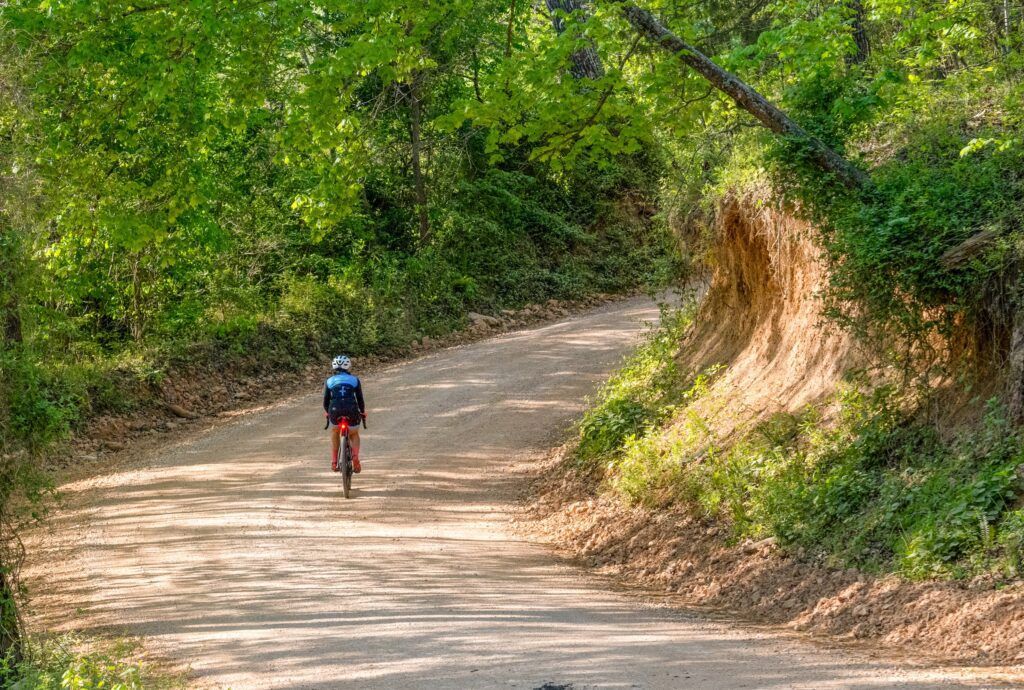
The ride starts in downtown Bentonville, where a few miles of pavement ease you out of the city before the gravel begins in earnest. Early on, the route throws a handful of steep, punchy climbs. Once those opening miles are behind you, the terrain settles into long, winding country roads that carry you north through the Ozark hills toward the Arkansas-Missouri state line.

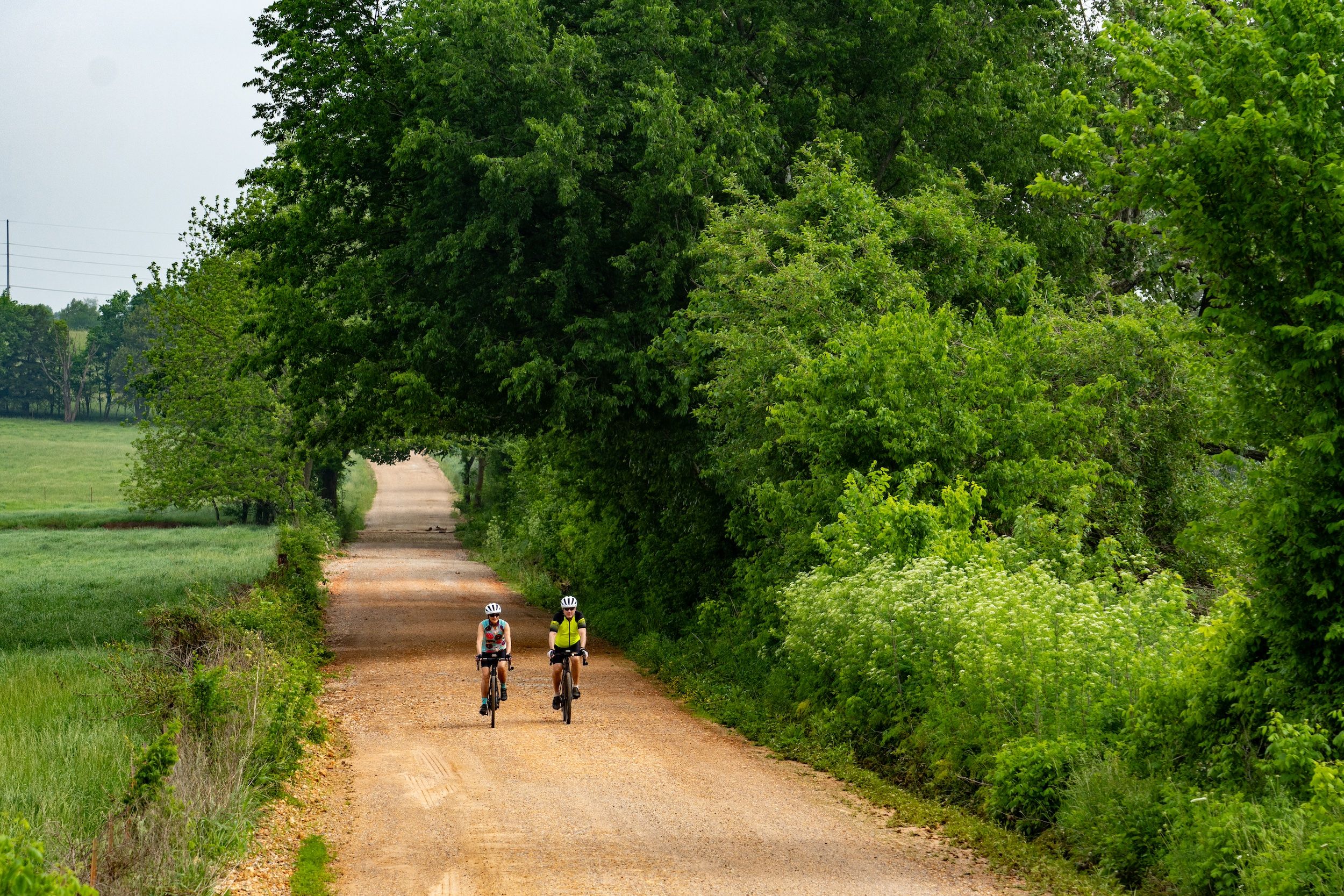
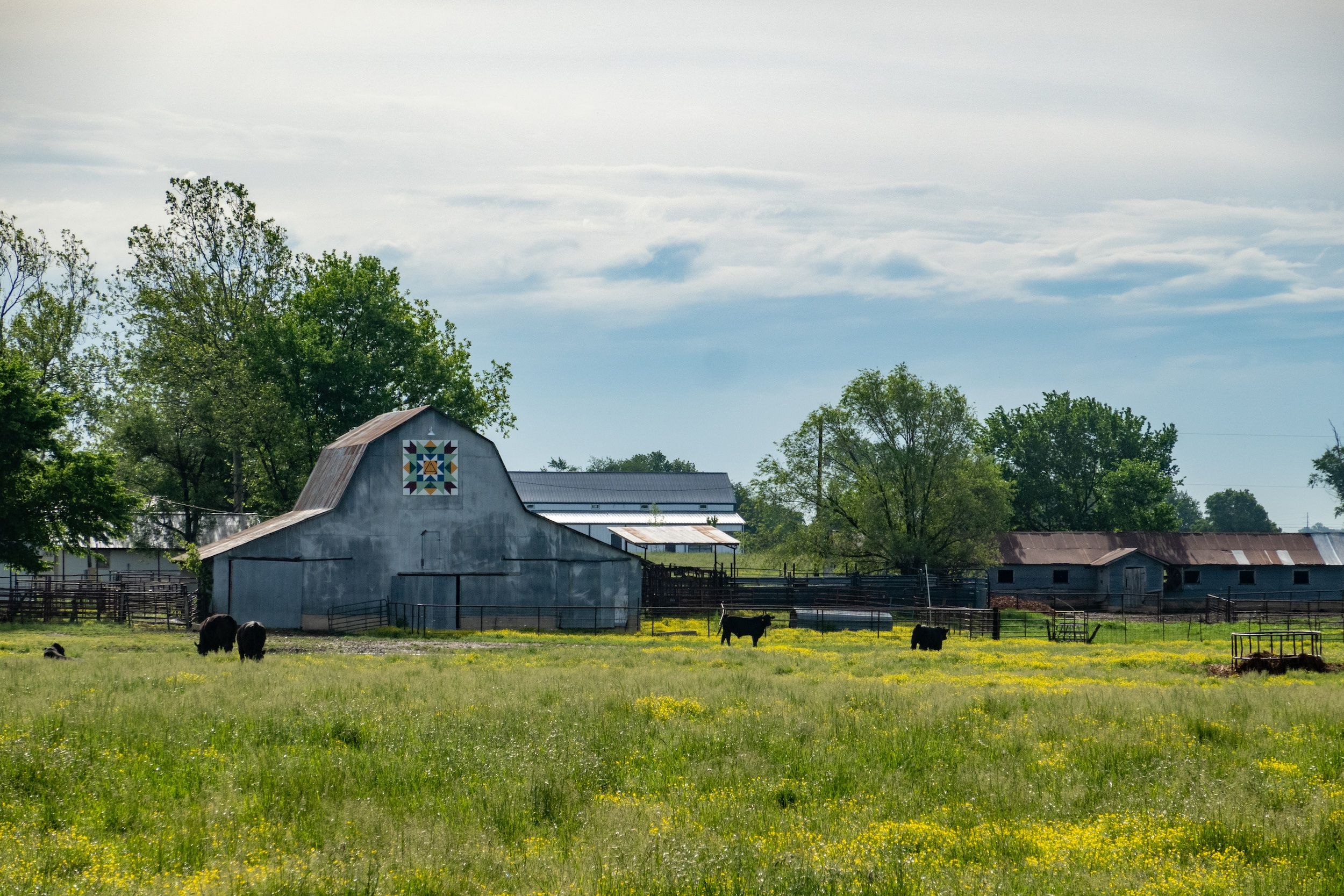
The miles through this stretch are some of the most peaceful on the route. Traffic drops to nearly nothing on the farm tracks, and the scenery rewards the effort of the climbs. The route encircles the town of Pea Ridge, where the landscape opens up around a well-preserved Civil War battlefield and the roads offer beautiful climbing on some of the quietest tarmac in the region.

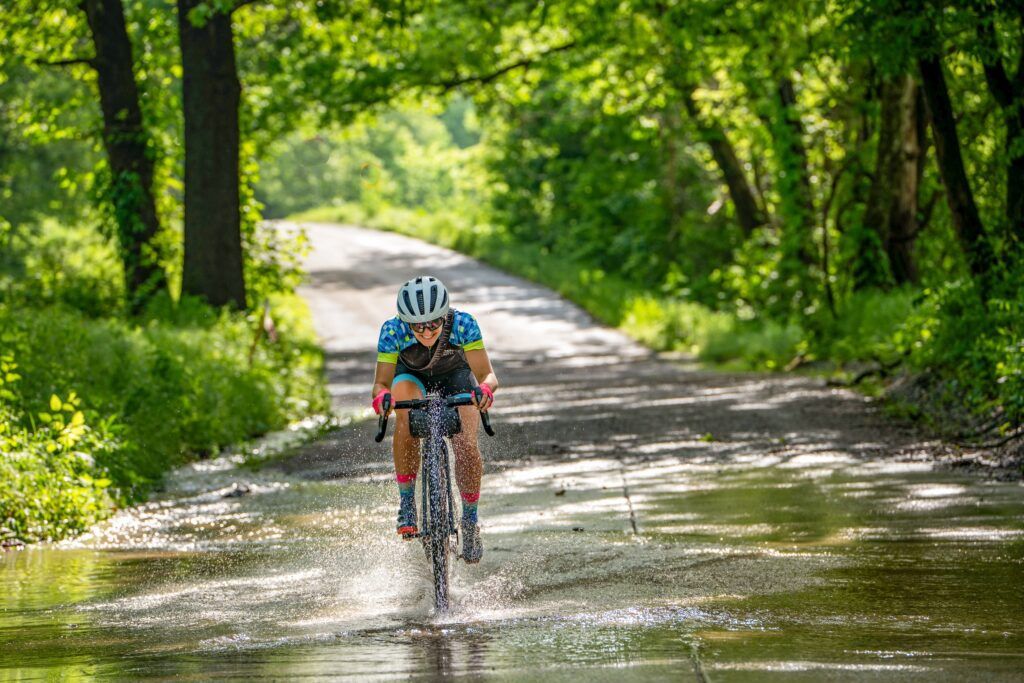
The final miles follow Sugar Creek Road home, a tree-lined downhill that peels off the hills and carries you back into Bentonville at speed. It’s one of those finishes that leaves you grinning.

Interactive Map and Elevation Profile

Explore this route on a Gravel Bike Tour

If you’re inspired to experience this ride with expert support, curated hotels, and seamless logistics, explore the full Trek Travel itinerary.

Ride Highlights

  • Ride the same roads used in one of the Lifetime Grand Prix’s most respected events — a course that has tested the best gravel riders in the country.
  • Pedal on quiet farm roads with minimal traffic to the Missouri state line. 
  • Bentonville’s post-ride scene is worth the trip on its own, with a cluster of excellent bike-friendly cafés and a cycling culture that runs deep.
  • The ride ends the way every good gravel route should, on a fast, tree-lined downhill that carries you back into Bentonville with momentum to spare.

Frequently Asked Questions

The Pea Ridge Loop is a Level 3 ride. The climbs are steep in places, but they’re short, and the route never sustains difficult gradients for long. The surface is predominantly quiet gravel farm track, with paved sections connecting in and out of Bentonville and through a few small towns. Traffic is light once you’re out on the farm roads, but worth being aware of on the paved connectors closer to town. Learn more about gravel activity levels.

The majority of the Pea Ridge Loop runs on gravel farm tracks, wide, open roads through agricultural land with a loose but manageable surface. Short paved sections connect the route in and out of Bentonville and link a few of the towns along the way. The climbs are steep but brief, typical of Ozark terrain, and the descents tend to be fast and open.

A light kit works well for summer, but a packable rain layer is worth bringing in spring and fall when showers are possible and mornings start cooler. Sunscreen and sunglasses are essentials for the warmer months. The route is remote once you leave Bentonville, so carry enough water and food to reach the mid-ride fuel stop comfortably.

Spring, summer, and fall all offer good conditions on this route. Late spring and early summer are particularly well-suited and the Ozark hills are at their greenest. See Trek Travel’s departure dates for this guided tour

The route passes close to the Arkansas-Missouri state line, where a short detour leads to Red Mule Barn, a local market and convenience store well-stocked for mid-ride needs. It’s a welcome stop on an otherwise remote stretch of road. Back in Bentonville after the ride, the post-ride options are excellent: Meteor Café and Onyx Coffee are both popular with the cycling community and worth a stop before the day winds down.

Belesta to Ceret

Great Gravel Rides

Bélesta to Cére

A gravel journey through lunar landscapes, forests, and quiet Catalan villages at the foot of the Pyrenees.

Distance

46 mi / 74 km

Elevation Gain

4,530 ft / 1,380 m

Best time to ride

Spring / Fall

Difficulty

Level 4

Tucked into the southeastern corner of France, where the Pyrenees tumble toward the Mediterranean and the language shifts between French and Catalan, lies some of the most quietly spectacular gravel riding in Europe. The route from Bélesta to Céret crosses two valleys and several distinct worlds: sandy clay hills, volcanic rock formations, cool forested climbs, and sun-warmed village descents, all within a single day’s ride.

Route Overview

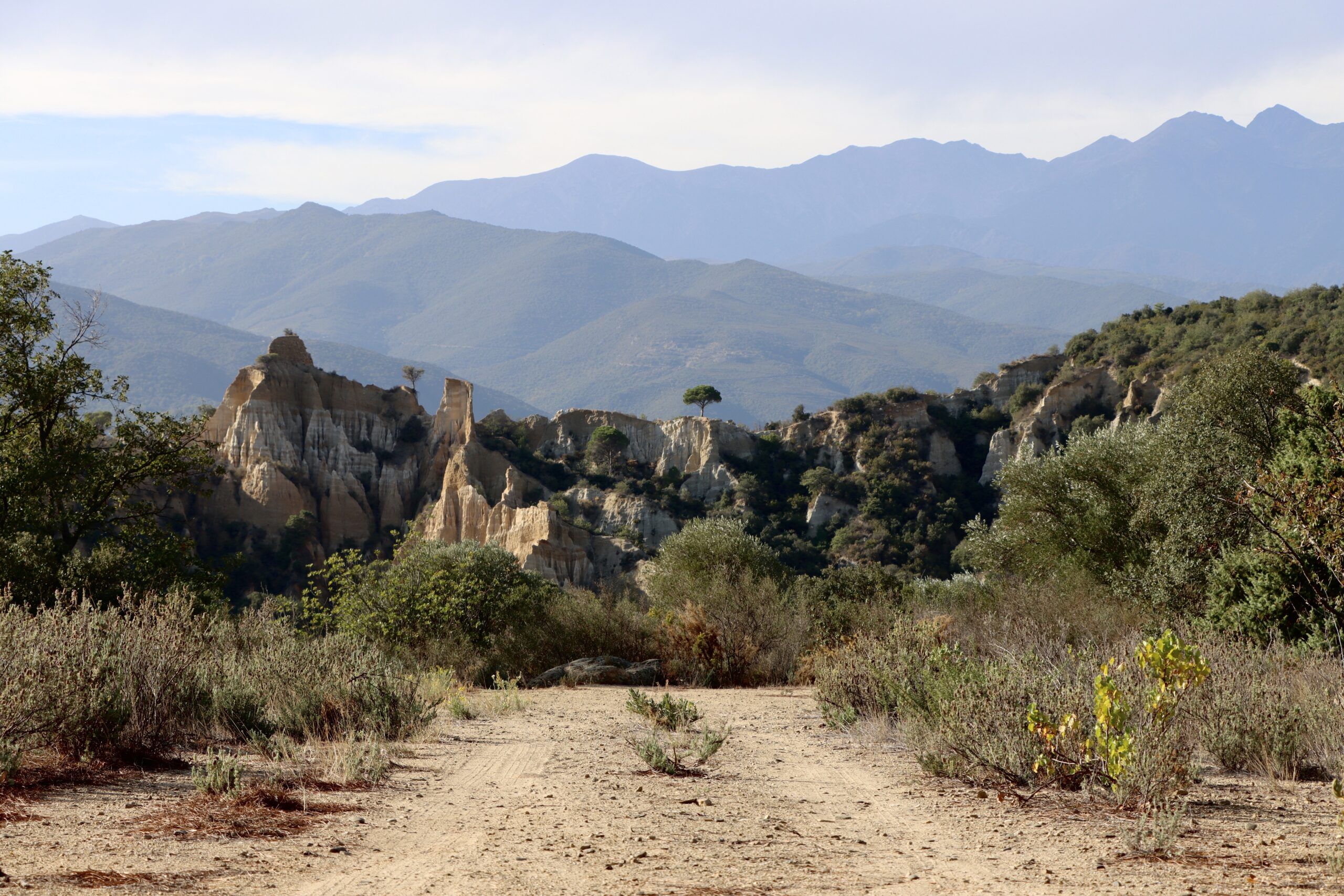
The ride begins in Bélesta, a small village set among the clay-and-sand terrain that defines the early miles. Gentle rolling hills carry you away from the valley and into increasingly open country, where low scrubland and dry vegetation give way to the bizarre, sculpted rock formations of the Orgues d’Ille. These eroded basalt columns rise like natural towers from the hillside and stand as one of the most striking geological features in the Pyrenees-Orientales. They mark your arrival into the town of Ille-sur-Tête.

After passing through town, with time to stop at the boulangerie or the remarkable Caminade café and bike workshop, the route climbs back into the mountains. The ascent follows forest roads maintained by the Fire Defense Organization: wide, well-surfaced tracks that wind through stands of cork oak and pine with virtually no traffic. As the trees thin toward the upper reaches of the climb, the views open dramatically. The Spanish Pyrenees stretch across the horizon and the great mass of the Canigou peak dominates the skyline to the southwest.

The descent from the high forest drops through the quiet village of Oms on a narrow paved road before delivering you into Céret, a sun-filled Catalan market town with excellent cafés, a celebrated modern art museum, and the kind of end-of-ride atmosphere that makes you want to linger.

Gravel road in Ille sur Tete in Pyrennes

Interactive Map and Elevation Profile

>

Explore this route on a Gravel Bike Tour

If you’re inspired to experience this ride with expert support, curated hotels, and seamless logistics, explore the full Trek Travel itinerary.

Ride Highlights

  • Ride through a landscape of eroded basalt columns, a geological formation unique to this corner of the Pyrenees that gives the early miles an almost lunar quality.
  • The upper forest roads reward the climbing with wide-open views across the border to Spain and the iconic profile of the Canigou, the sacred mountain of the Catalan people.
  • Finish in one of the most appealing towns in the French Pyrenees: a Catalan market town known for its cherry orchards, its art scene, and its easy, sun-warmed atmosphere.
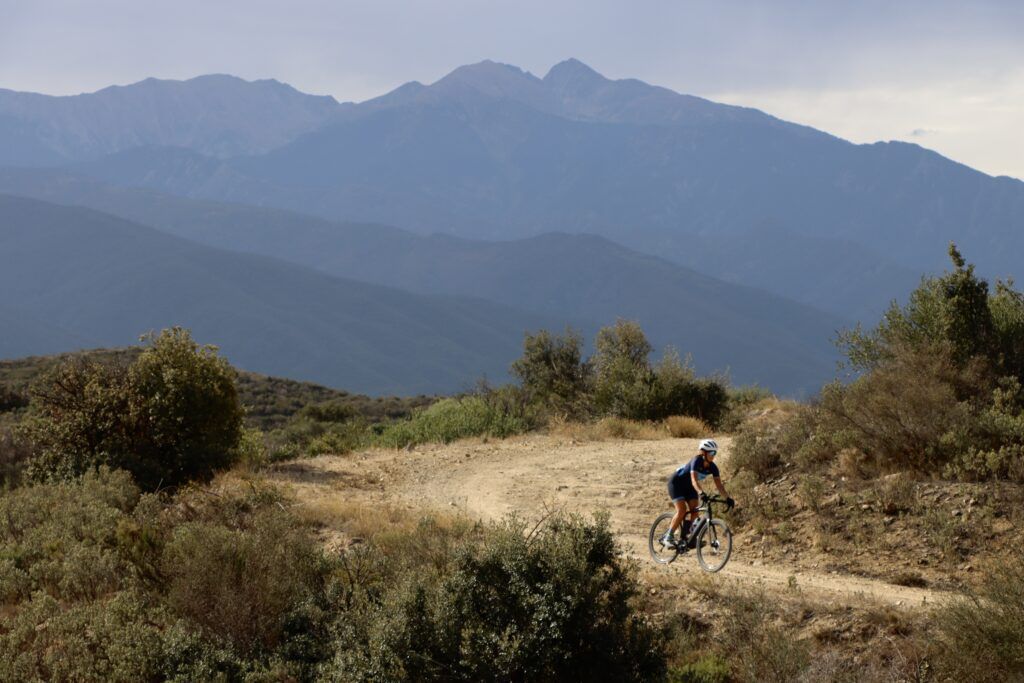
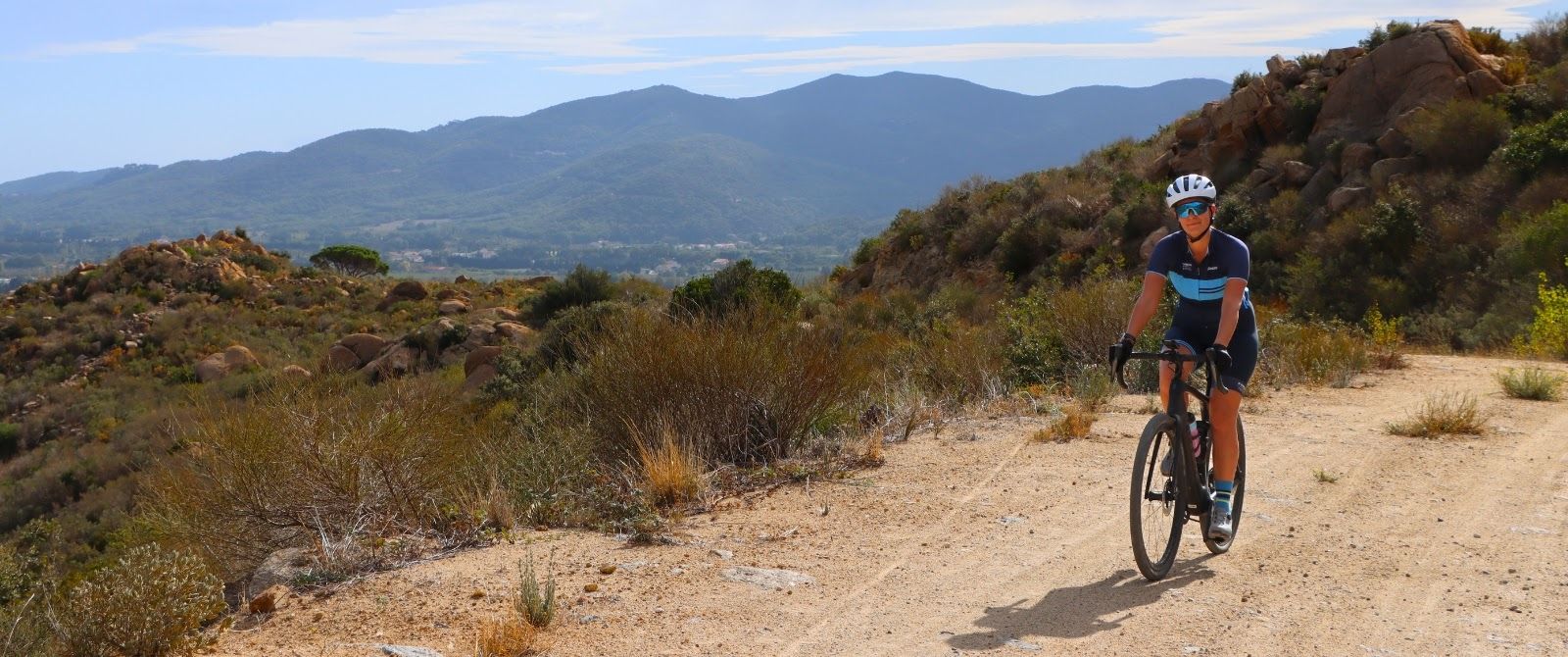
A female cyclist rides a hard-packed gravel road with mountains in the background
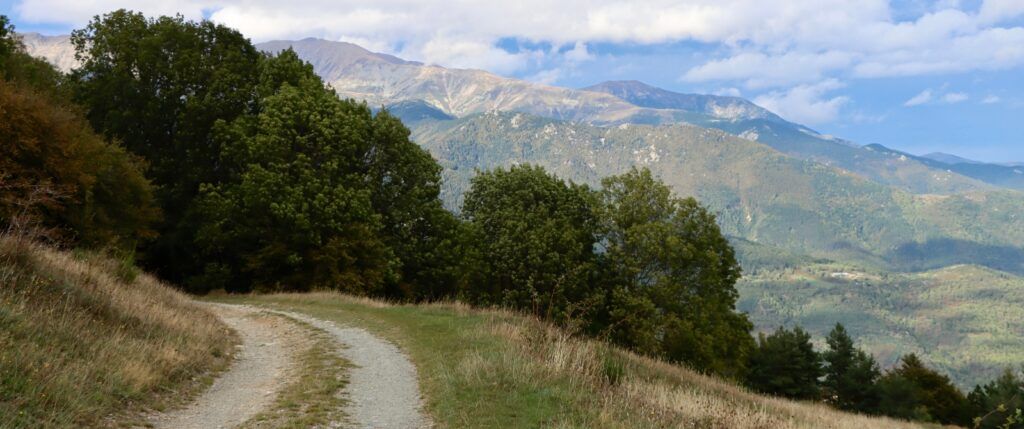
Double track gravel road overlooking mountains

Frequently Asked Questions

This is a Level 3/4 route suited to confident gravel cyclists comfortable with sustained climbing and varied terrain. The elevation gain of 4,530 feet is spread across the full day rather than concentrated in a single climb, but the route is consistently demanding. Traffic is light with the busiest sections coming in and out of Ille-sur-Tête and the smaller village roads. Learn more about gravel activity levels.

Roughly half the route runs on gravel forest roads, wide, well-maintained tracks used by forestry and fire defense vehicles, with a surface that ranges from compact sandy gravel in the lower hills to firmer granite-based roads higher in the forest. The remaining miles cover tarmac through and between villages. Early sections through the clay hills can feel exposed and loose underfoot, while the forest roads higher up are generally smooth and efficient.

A windbreaker is strongly recommended regardless of the season. The Tramontane wind can arrive without warning and makes the open early miles considerably colder than the temperature might suggest. Carry more water than you think you’ll need before reaching Ille-sur-Tête. For a local snack on the climbs, look for Rousquilles, a traditional Catalan liquorice biscuit sold throughout the region and an excellent reason to visit the boulangerie in town.

Spring and fall are the ideal seasons. Late spring brings mild temperatures, wildflowers on the hillsides, and long days perfectly suited to the distance. Early autumn offers cooler air, softer light, and the added pleasure of cherry season in Céret. See Trek Travel’s departure dates for this guided tour

Ille-sur-Tête offers the first proper refuel of the day, with a superb boulangerie in town for a morning pastry. Just outside of town, Caminade is a hand-built bike workshop and café that doubles as a genuine community hub and one of the most memorable stops on the route. Later in the ride, lunch is served at Le Relais de l’Orme, hosted by Fanny and Romuald in the heart of a quiet village, with exceptional cuisine that makes the most of local Catalan ingredients. Further options are available in Oms before the final descent to Céret.

Deadwood to Sylvan Lake

Great Gravel Ride

Deadwood to Sylvan Lake

Ride the Black Hills of South Dakota on the legendary Mickelson Trail.

Distance

61 mi / 98 km

Elevation Gain

5,050 ft / 1,539 m

Best time to Ride

Summer

Difficulty

Level 4

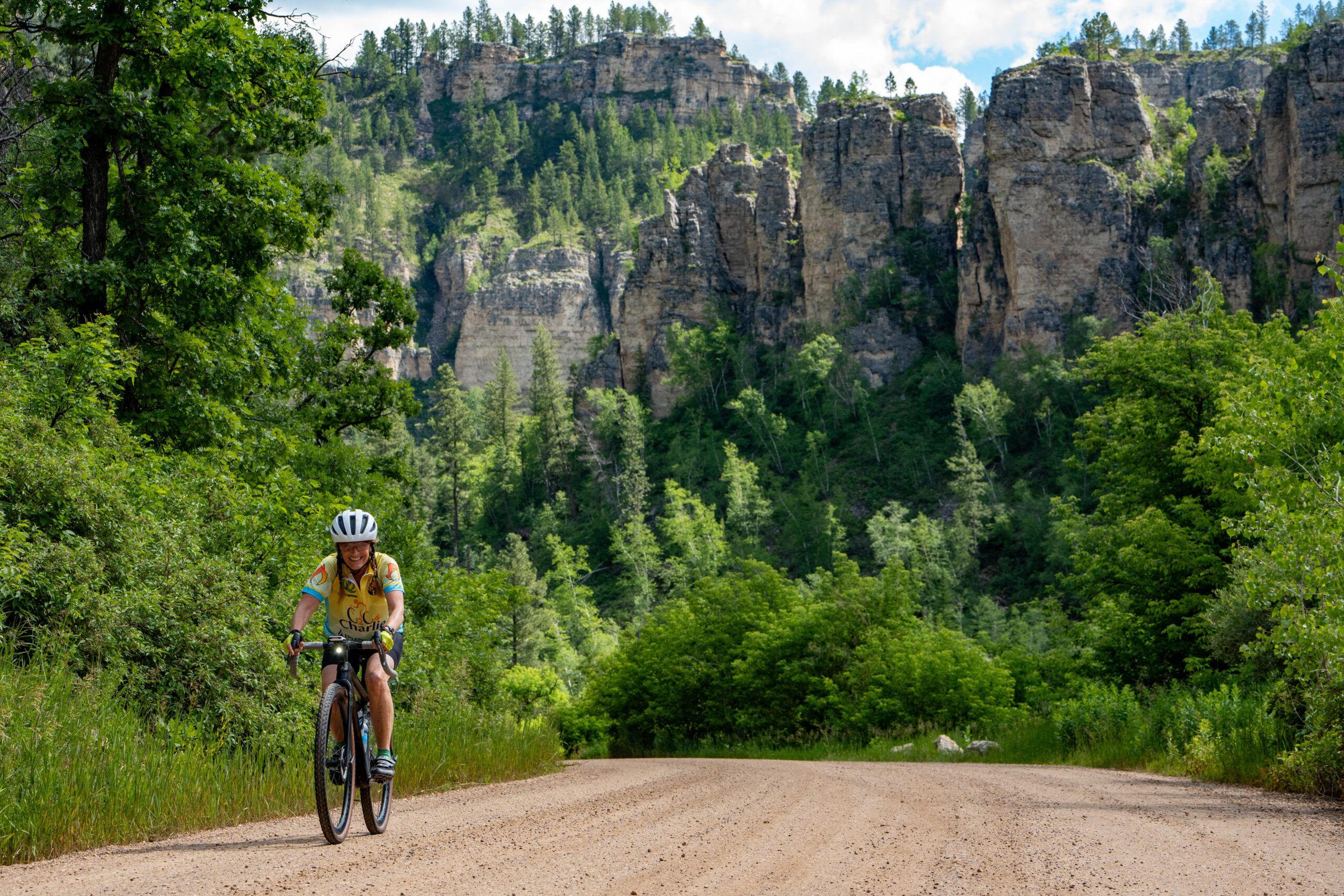
Few places in the American West blend history, landscape, and cycling quite like the Black Hills of South Dakota. This gravel route rolls out of Deadwood, a town that earned its name during the gold rush days of the 1870s, and follows one of the country’s most celebrated converted rail-trails all the way to the crystal waters and granite spires of Sylvan Lake. 

Route Overview

The ride begins in Deadwood, where the streets still carry the character of a frontier boomtown. Almost immediately, the route joins the Mickelson Trail and begins a sustained 11-mile climb out of the valley at a steady 3–4% average gradient. It’s a manageable ascent with time to settle into a rhythm.

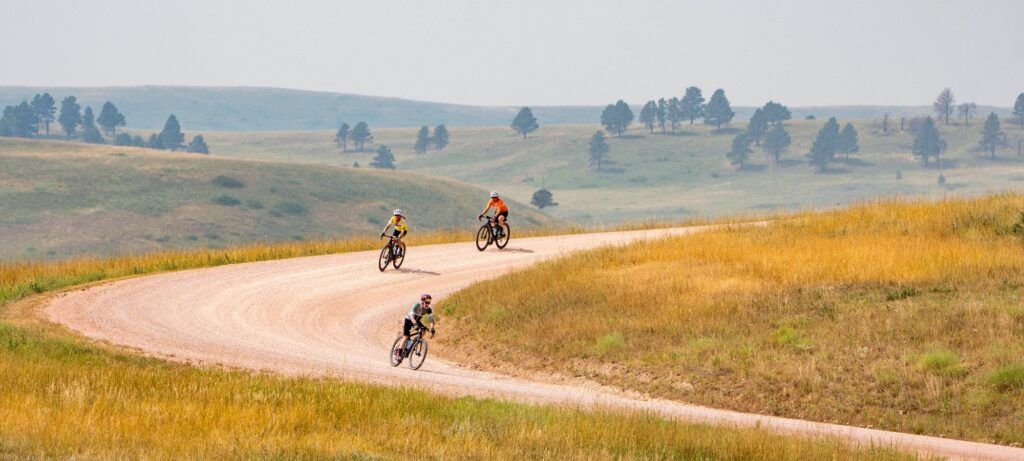
Near the midpoint, the trail crests and the terrain shifts. A long, flowing 15-mile descent carries you into high plains country with an almost effortless sense of momentum. The landscape opens dramatically here, rolling grassland stretching to the horizon with the dark ridgeline of the Hills framing the distance.

A lunch stop in Hill City breaks the ride at just the right moment, offering shade and a chance to refuel before the second half. From Hill City, the route continues on gentle rolling gravel toward Sylvan Lake, one of the most scenic destinations in the Black Hills. 

Interactive Map and Elevation Profile

Explore this route on a Gravel Bike Tour

If you’re inspired to experience this ride with expert support, curated hotels, and seamless logistics, explore the full Trek Travel itinerary.

Ride Highlights

  • Ride the Mickelson Trail, one of America’s finest converted rail-trails, with almost no vehicle traffic.

  • Roll through hand-carved railway tunnels dating to the Black Hills gold rush.

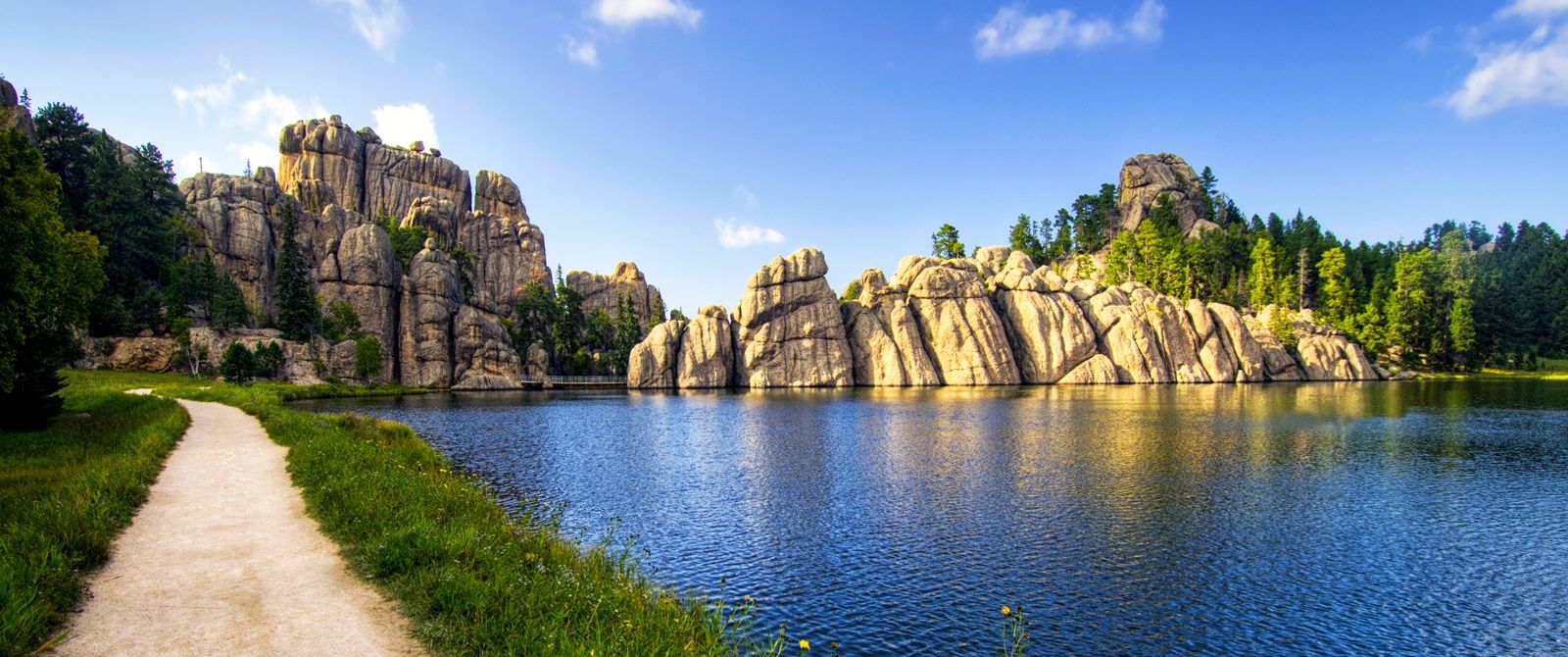
  • Finish at Sylvan Lake, where clear water reflects granite spires rising straight from the shoreline

Frequently Asked Questions

The Deadwood to Sylvan Lake route is a Level 4 ride. The standard route follows the Mickelson Trail with gradients that rarely exceed 5%. Riders who take on the avid 61 mile option will face a more demanding finish. Traffic is minimal throughout, which makes the ride feel relaxed and safe even on the longer stretches. Learn more about hiking activity levels.

The Mickelson Trail is surfaced with crushed limestone-style gravel that is firm, consistent, and well-maintained. It rides efficiently on gravel bikes and is largely free of technical challenges. Several railway tunnels punctuate the climb out of Deadwood, adding a distinctive sense of place and a welcome patch of cool air on warm summer days.

Summers in the Black Hills can get hot during the day, so a breathable kit is a priority. Sun protection is essential: sunscreen and sunglasses. Bring a lightweight rain layer just in case; afternoon showers are possible. Carry enough water to get you comfortably to the Hill City lunch stop, and refill before the second half.

Summer is the prime season for this route, roughly mid-June through July. Daylight is long, the trail conditions are at their best, and the Black Hills landscape is at its most vivid. Riders should be prepared for warm temperatures, particularly on the exposed plains section in the second half of the ride. See Trek Travel’s departure dates for this guided tour

Summer days in the Black Hills are typically warm and sunny, with temperatures that can climb into the 80s°F (upper 20s°C). Afternoon thunderstorms are not uncommon in July, so keeping an eye on the forecast before you set out is always worthwhile. Mornings tend to be cooler and are often the most pleasant time to be on the trail.

The main fuel stop is in Hill City, roughly at the midpoint of the ride. Riders stop at a favorite local deli for a casual, picnic-style lunch in the shade of a historic railway building. Beyond that stop, the trail itself has limited services, so arrive in Hill City ready to eat and refill.

Sagres to Praia do Canal

Great Gravel Rides

Sagres to Praia do Canal

A coastal gravel ride through Portugal’s protected Vicentine Coast.

Distance

36 mi / 58 km

Elevation Gain

2,400 ft / 732 m

Best time to ride

Spring / Fall

Difficulty

Level 3

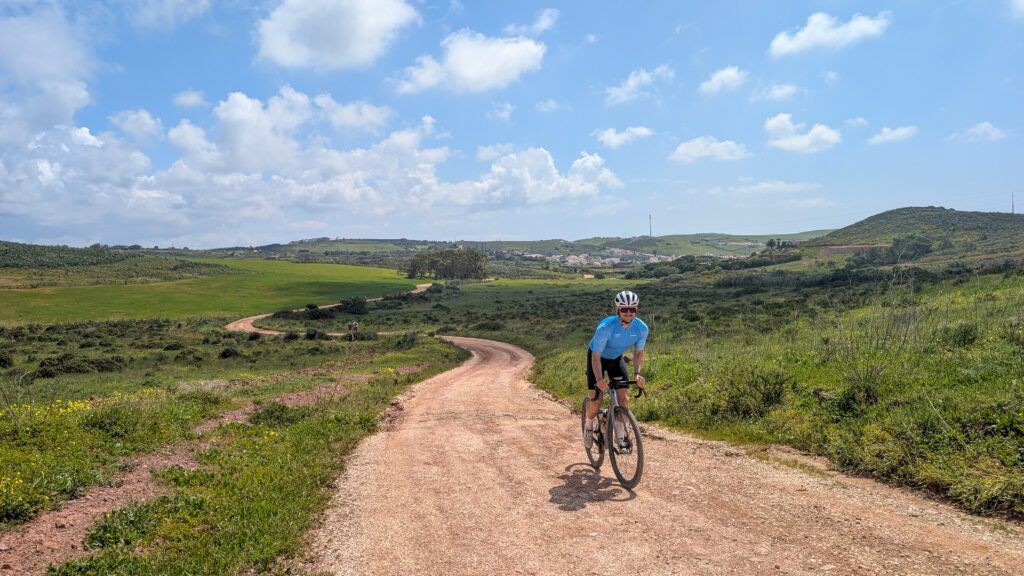
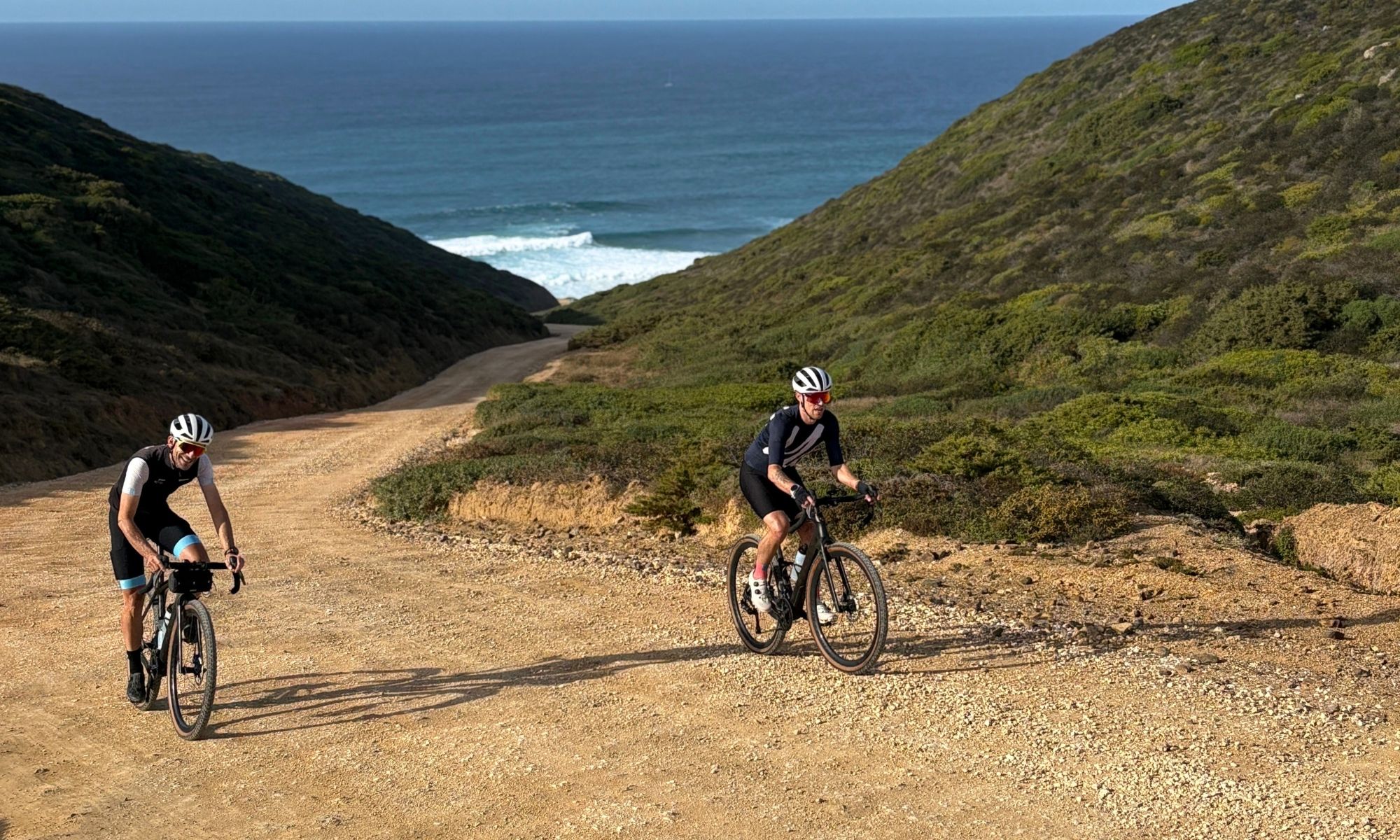
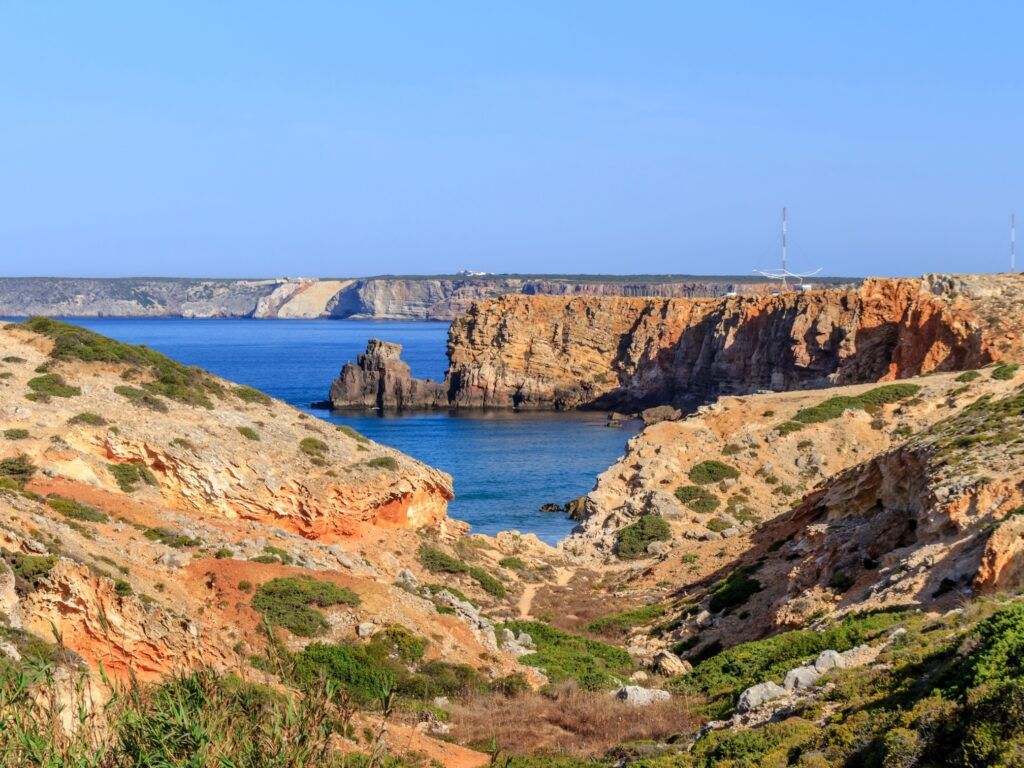
Sagres sits at the southwestern tip of Portugal, a place where Europe runs out of land and the Atlantic takes over completely. For centuries it was considered the edge of the known world. On a gravel bike, it feels like the beginning of something. The route from Sagres to Praia do Canal follows remote coastal tracks through the protected Vicentine Coast Natural Park, tracing clifftops and hidden valleys along the shore.

Route Overview

The ride rolls out of Sagres and quickly joins the coastal tracks that define the character of the day. The terrain crosses exposed Atlantic scrubland fragrant with rock rose and mastic shrub before dropping into sheltered valleys of pine and cork forest. The landscape shifts between open and enclosed, wild and protected, with each turn revealing something new.

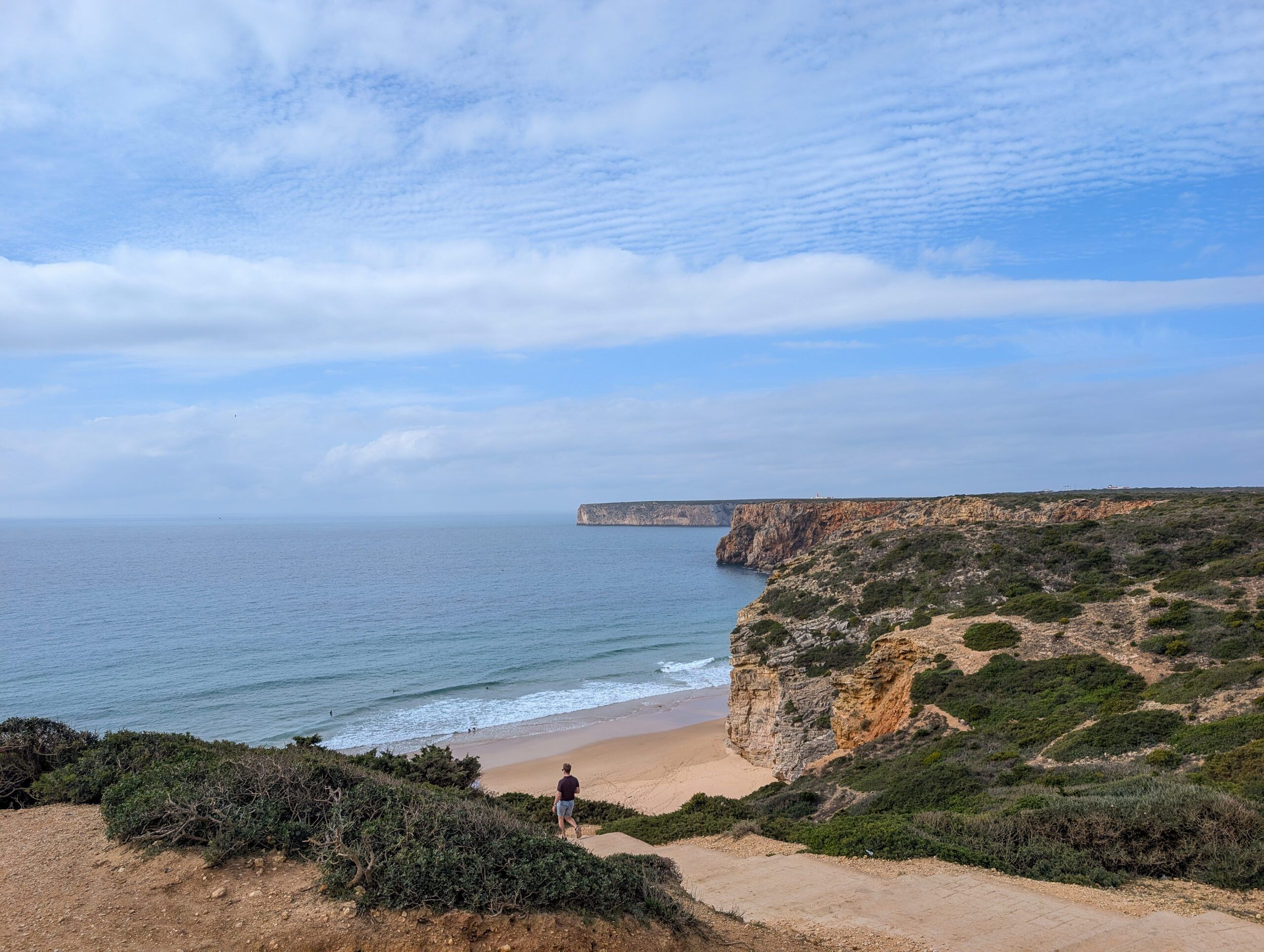
The highlight of the early miles comes as the route swings north along the coast, where sweeping cinematic views open over the dunes and surf of Bordeira Beach. This is one of the most celebrated surf beaches in southern Portugal, and from the clifftop gravel tracks above it the scale of the Atlantic feels genuinely humbling. The waves rolling in off the open ocean, the pale arc of sand stretching below, the complete absence of any development: it is the kind of view that stops a ride in its tracks.

Midway through, the route descends into the village of Pedralva for lunch. Once abandoned, Pedralva has been carefully restored with white-washed buildings and colorful tiled roofs, and it now operates as a small rural retreat with a restaurant serving honest, deeply local food. After the stop, gravel tracks continue north and east through the park, eventually delivering riders to Praia do Canal.

Interactive Map and Elevation Profile

Explore this route on a Gravel Bike Tour

If you’re inspired to experience this ride with expert support, curated hotels, and seamless logistics, explore the full Trek Travel itinerary.

Ride Highlights

  • Start from one of the most storied locations on the Atlantic coast, where Portugal’s southwestern tip meets the open ocean at a dramatic headland with centuries of maritime history.
  • The clifftop approach to Bordeira Beach delivers one of the finest views on the route: vast dunes, powerful surf, and a pale arc of sand with the open Atlantic beyond.
  • Ride through one of Western Europe’s most intact stretches of Atlantic coastline, where the landscape has been protected from development and the riding feels genuinely remote.

Frequently Asked Questions

This is a Level 3 route. The distance is manageable at 36 miles and the gravel surface is generally hard-packed, but the terrain has character: short punchy climbs, steep descents, and occasional technical sections keep riders engaged throughout. The coastal exposure also means wind is a genuine factor, and the uneven trail surface rewards riders who are comfortable handling a gravel bike with confidence. Learn more about gravel activity levels.

The route runs on hard-packed gravel tracks throughout, with the surface quality typical of Portuguese coastal park roads: generally firm and well-suited to a gravel bike, but with occasional technical sections where the trail narrows or the gradient sharpens. Short punchy climbs and steep descents punctuate the rolling coastal terrain.

A light windproof layer is essential: the Atlantic coast generates consistent wind and the exposed sections of the route offer no shelter. Sun protection is equally important, with sunscreen and sunglasses a necessity for the clifftop miles. Tucking a pair of swimming shorts into a jersey pocket is also well worth the effort. Several pristine beaches sit directly on or just off the route, and stopping for a quick dip is one of the genuine pleasures of this ride.

Spring and fall offer the best conditions. Fall is particularly well-suited: the prevailing northerly wind tends to ease off, the summer crowds have left the coastal towns, and the light along the Algarve coast takes on a softer, golden quality. Spring brings wildflowers across the scrubland and mild temperatures ideal for a full day on the bike. See Trek Travel’s departure dates for this guided tour

The main stop is lunch in Aldeia da Pedralva, a beautifully restored village roughly midway through the route. Once abandoned, the village has been carefully brought back to life with white-washed buildings and colorful tiled roofs. The restaurant serves outstanding local food: codfish, black pork skewers with homemade fries, and the kind of straightforward, ingredient-led cooking that southern Portugal does exceptionally well. It is exactly what a long gravel ride deserves at the halfway point.

Sienna to Buonconvento

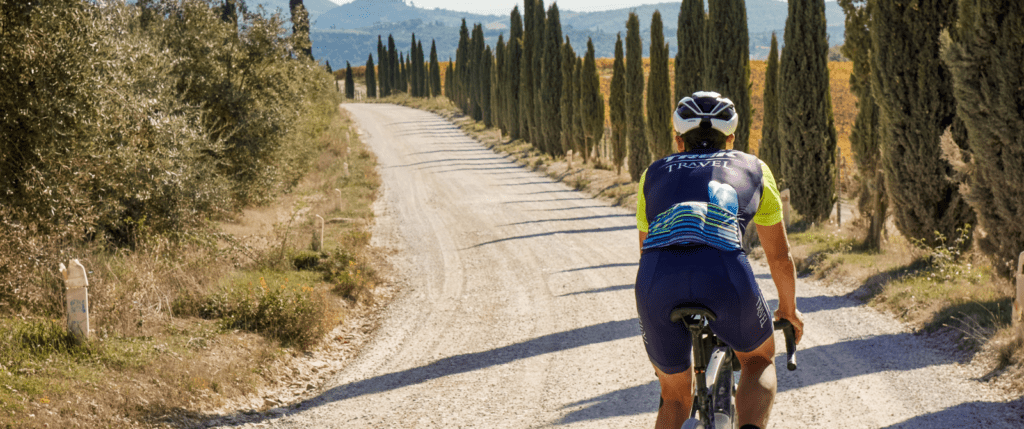
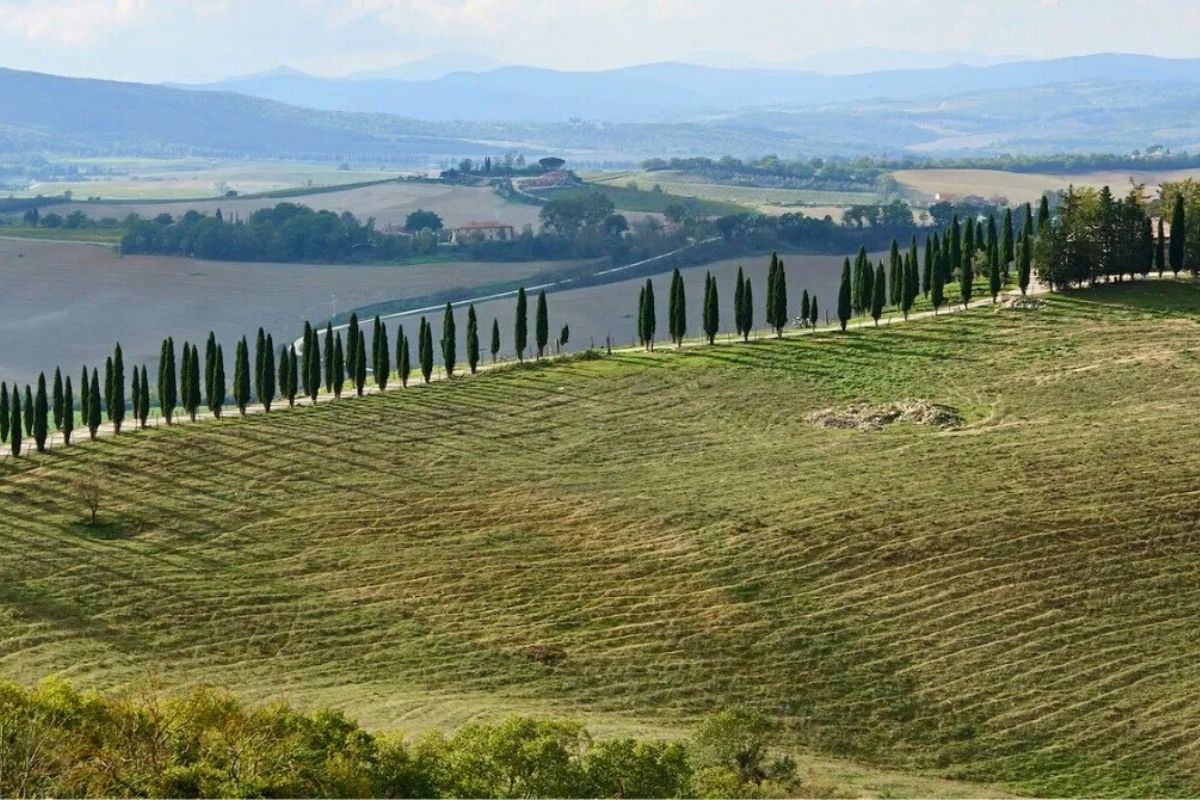
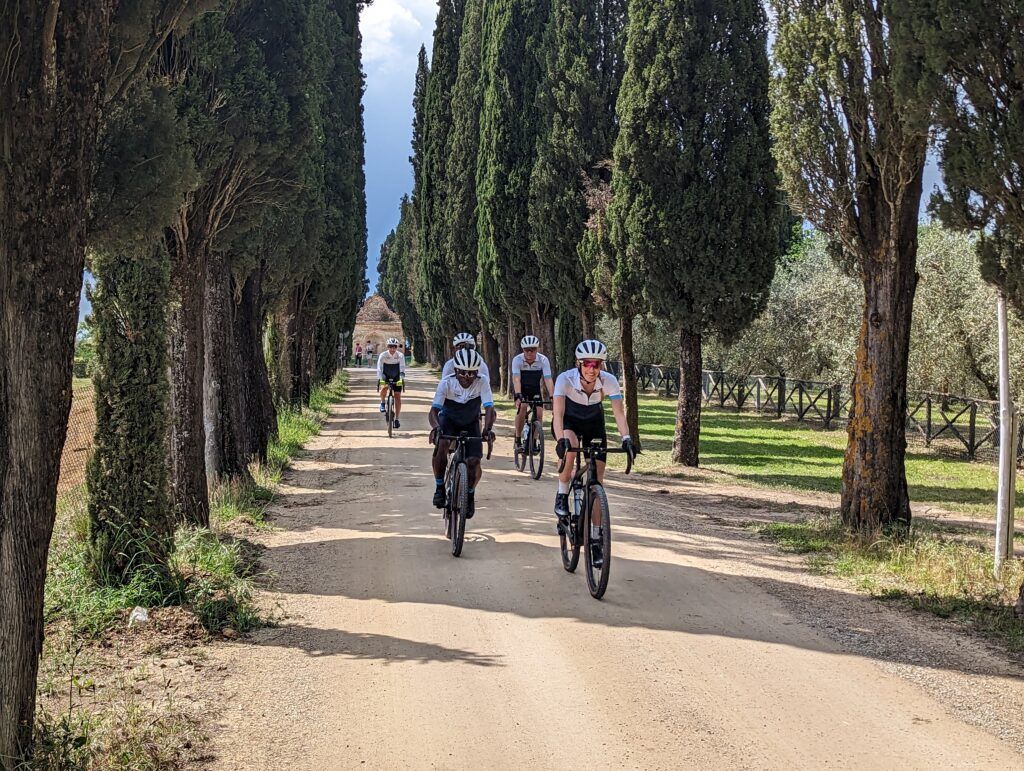
Rear view of lone cyclist on gravel road with cyprus trees

Great Gravel Rides

Siena to Buonconvento

White gravel roads, medieval hilltop towns, and the Crete Senesi.

Distance

32 mi / 51 km

Elevation Gain

2,631 ft / 802 m

Best time to ride

Spring / Fall

Difficulty

Level 3

Every March, the world’s best gravel cyclists converge on Tuscany for Strade Bianche, a race whose name translates simply as white roads. The course threads through the rolling hills south of Siena on ancient unpaved lanes of pale gravel: the same roads that have connected Tuscan villages for centuries and that now form the backbone of one of cycling’s most celebrated one-day events. This route follows those same roads from the forests of Chianti through the medieval heart of Siena and south into the lunar quietness of the Crete Senesi, finishing in Buonconvento, a village whose name has been spoken by race commentators and cycling fans for decades.

Route Overview

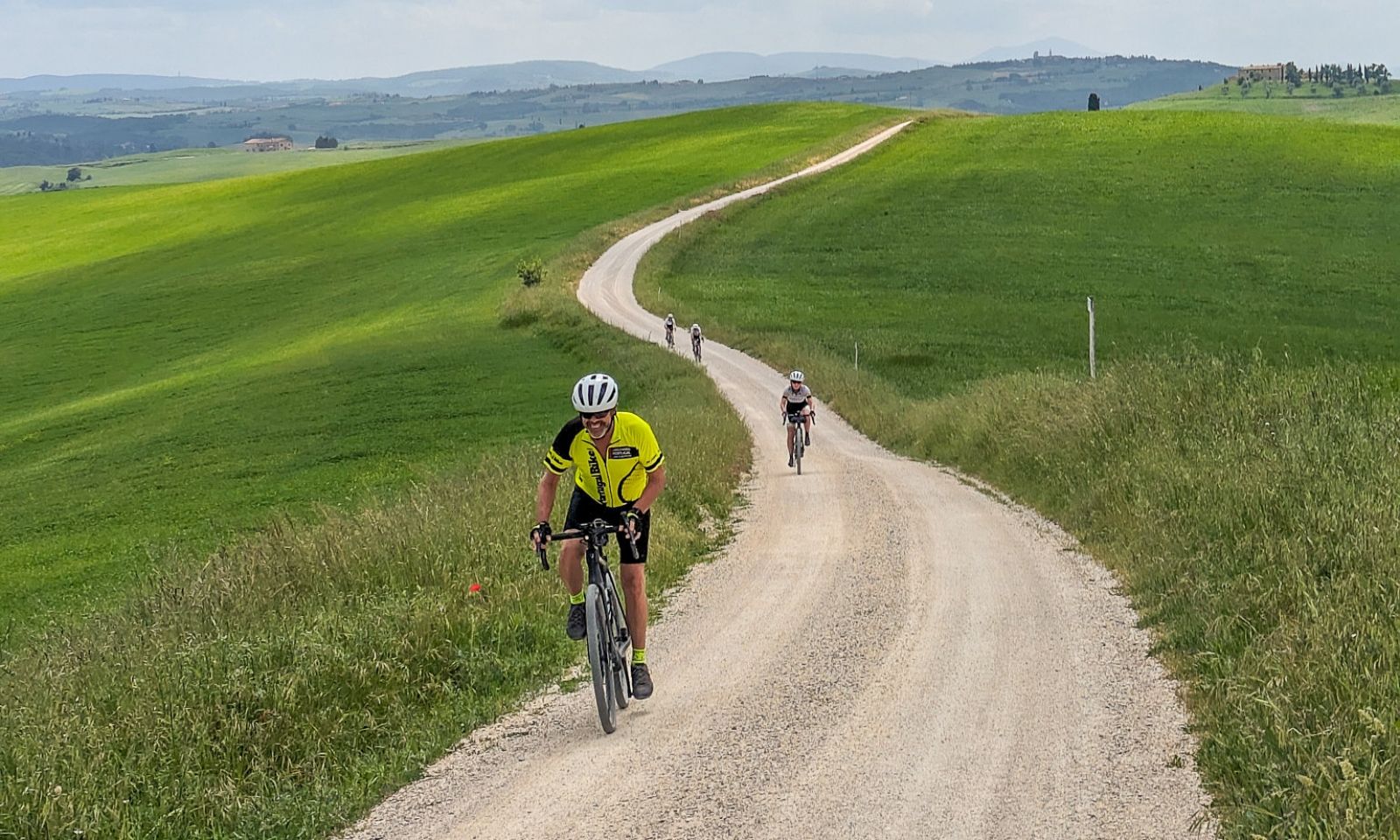
The ride departs from Chianti and quickly joins the white gravel roads of the official Strade Bianche route, following the same course the professionals race in spring. Rolling hills carry you south through the Chianti forests before the terrain opens and the distinctive pale clay of the Crete Senesi appears on the horizon.

Siena arrives like a reward. The route weaves through its ancient narrow streets exactly as the race does, the stone buildings rising on either side, the lanes barely wide enough for a loaded gravel bike. A stop at the Piazza del Campo is mandatory. Note that cycling is not permitted in the square itself, so walk your bike and take the time to sit with a coffee and absorb one of the finest medieval piazzas in Europe.

South of Siena, the road turns wild. The Crete Senesi opens into a vast, strange landscape: pale clay hills rolling toward a wide sky, almost treeless, almost silent. It is one of those stretches of road where you stop thinking about effort and simply look. A pause in the shade of an ancient oak forest breaks the southern section before the route arrives in Buonconvento, a compact fortified village that has featured in the race’s defining moments and carries that history in its streets.

Interactive Map and Elevation Profile

Explore this route on a Gravel Bike Tour

If you’re inspired to experience this ride with expert support, curated hotels, and seamless logistics, explore the full Trek Travel itinerary.

Ride Highlights

  • Ride the official Strade Bianche course Follow the same white gravel roads raced by the world’s best cyclists each spring and feel the character of the course from the saddle rather than the screen.
  • The Crete Senesi One of the most distinctive landscapes in Italy: pale clay hills, wide open skies, and a profound quietness that makes the riding feel genuinely remote.
  • Buonconvento and its cycling folklore Finish in a fortified village whose name is woven into Strade Bianche history, with the compact medieval streets and the satisfaction of having ridden the same roads as the race.

Frequently Asked Questions

This is a Level 3 route with approximately 50% on gravel and 50% on road. The terrain is predominantly rolling, with occasional punchy climbs up to Tuscany’s hilltop villages. The white gravel roads are firm and efficient when dry and require a little more care after rain. Learn more about gravel activity levels.

The route runs roughly 50% on white gravel roads and 50% on tarmac. The gravel sections are the firm, compact limestone-based roads characteristic of this part of Tuscany: fast when dry, requiring care when wet. The terrain is predominantly rolling with occasional punchy climbs up to the hilltop villages.

Light layers are the priority for spring and fall riding in Tuscany. A packable rain jacket is worth carrying: the occasional shower can arrive without much warning, and the exposed sections of the Crete Senesi offer no shelter.

Spring and fall are both excellent. Spring is the classic season for Strade Bianche, with the race itself held in March and the Tuscan countryside at its most vivid green in the weeks either side. Fall brings softer light, harvest season in the vineyards, and cooler temperatures that suit the climbing well. See Trek Travel’s departure dates for this guided tour

The main stop is a mid-morning coffee in Siena’s Piazza del Campo, one of the finest public spaces in Italy and well worth the pause. Sit with an espresso or cappuccino, take in the medieval architecture, and remember that cycling is not permitted in the square itself. Walk your bike and enjoy it properly. Buonconvento offers further options for a caffè on arrival, and the avid extension finishes with a wine tasting at the hotel estate in the Val d’Orcia.

Going to the Sun Road

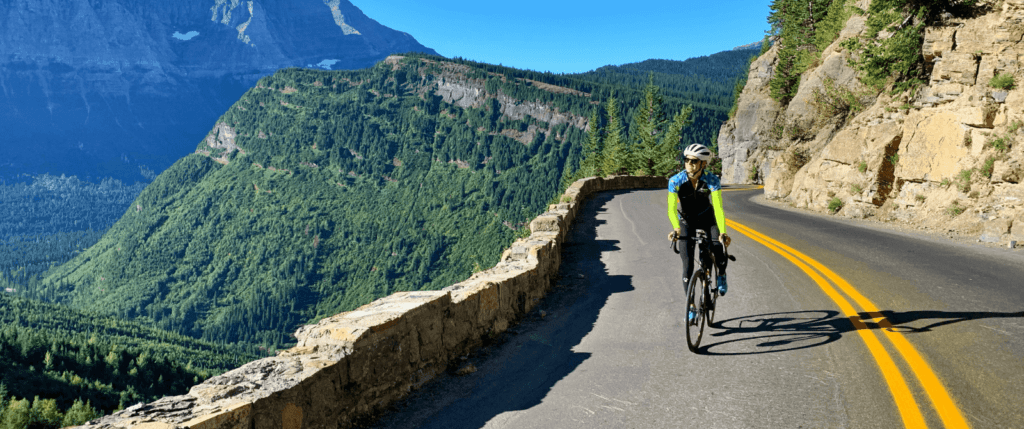
person riding their bike on a paved road over-looking mountain view.
Great cycling rides logo Trek Travel

Going to the Sun Road

Going to the Sun Road

#1 on our Great Rides list

Glacier National Park

If you find yourself in Glacier National Park, you will no doubt experience Going to the Sun Road that connects the West side of the park to the East over the dramatic Logan Pass.

Location

St. Mary, Montana, USA

light blue icon link

Distance

40 miles / 64km

light blue two peak mountain icon

Elevation Gain

2,560ft / 780m

light blue cloud and sun icon

Best Time to Visit

Summer

light blue road icon

Surface

Paved Road

light blue icon that depicts that something is loading.

Difficulty

Level 3

light blue stoplight icon with boarder

Traffic

Level 2

Discover this ride on our Glacier National Park bike tour

Montana's Glacier National Park and Flathead Valley

Most drive to the pass, jump out and hike around to see viewpoints, get visitor information, see some mountain goats, sheep or bear, and then head back West to Lake McDonald or East to St Mary.

While this is a great way to see the park, there is a better way; by bike. There are many ways to go about this, but for simplicity, start in St. Mary and head West over the pass to Lake McDonald for the least amount of climbing and the most fun.

Start early, as in 7 am, so you have plenty of time to climb, stop take pictures, enjoy the visitor center at Logan Pass and descend to Lake McDonald Lodge before the road is closed to cyclists due to heavier traffic at 11am. The early start means you have a serene and quiet ride up the 18-mile climb to the pass beginning with a gentle 11.5 miles (0.8% average grade) and finishing with a more rigorous 6.6 miles (5.5% average grade).

Riding, by glacial lakes, waterfalls, fields of wildflowers, beneath towering peaks, and above precipitous cliffs makes this ride genuinely sublime. Make sure to stop at the Wild Goose Island Overlook and Sunrift Gorge for a great photo opp. Once you have explored Logan Pass, layer up for the harrowing 21-mile descent, where you will ride on the inside edge of a road carved into the sloping cliffside and through ancient cedar forests to Lake McDonald Lodge.

Use caution, paying attention for rocks in the road, wet surfaces, sharp radius switchbacks, and oncoming traffic. Once at Lake McDonald Lodge, grab some lunch in the historic hotel and make sure to jump into the lake.

What you need to know

RIDE DETAILS

This ride is 39 mile one way (East to West). Avid riders can do it as an out and back or you can plan to spend the night at Lake McDonald and have your luggage transfered. There is 2560 ft of climbing, 3878 ft descending for the one way route. 3.5% average grade ascending. Max Grade 8.5%, 5.6% average grade descending.

WEATHER
Summer and early September are all great times to ride this route .Check to see when the road opens after being cleared of snow typically sometime in mid-June.

FUEL
There is a small market with all the essentials at the St Mary Village otherwise your closest grocery is best found in the Flathead Valley. Make sure to pack extra water and food as if you are planning on a longer ride. There is no food or water available along the entire route.

While you’re in town

Make sure to check out Wild Goose Island viewpoint, Sunrift Gorge, Logan Pass Visitor Center and trails, Trail of the Cedars Nature Trail, Lake McDonald Lodge and boat tour on the lake during your stay in Glacier National park.

Check out Great Northern Cycle and Ski in Whitefish for your bike equiptment needs. Also don’t miss Many Glacier area and hikes, Waterton Lakes area and hikes. Boat tour on Waterton Lake (bring Passport), Whitefish shops and restaurants, Whitefish mountain summertime activities, white water rafting, fly fishing.

Whitefish and Kalispell have great restaurants and brewpubs of all sorts. Don’t miss the Great Northern Saloon in Whitefish for an authentic Wild West experience. You will also find good dining at all Park Lodges.

Ready for this ride?

Book early and save. We reward our guests with lower pricing and more dates to choose from the earlier you book. Rest assured, once you book, your price is guaranteed.

Ascent of Mont Ventoux

Great cycling rides logo Trek Travel

Ascent of Mont Ventoux

Ascent of Mont Ventoux

#21 on our Great Rides list

Mont Ventoux

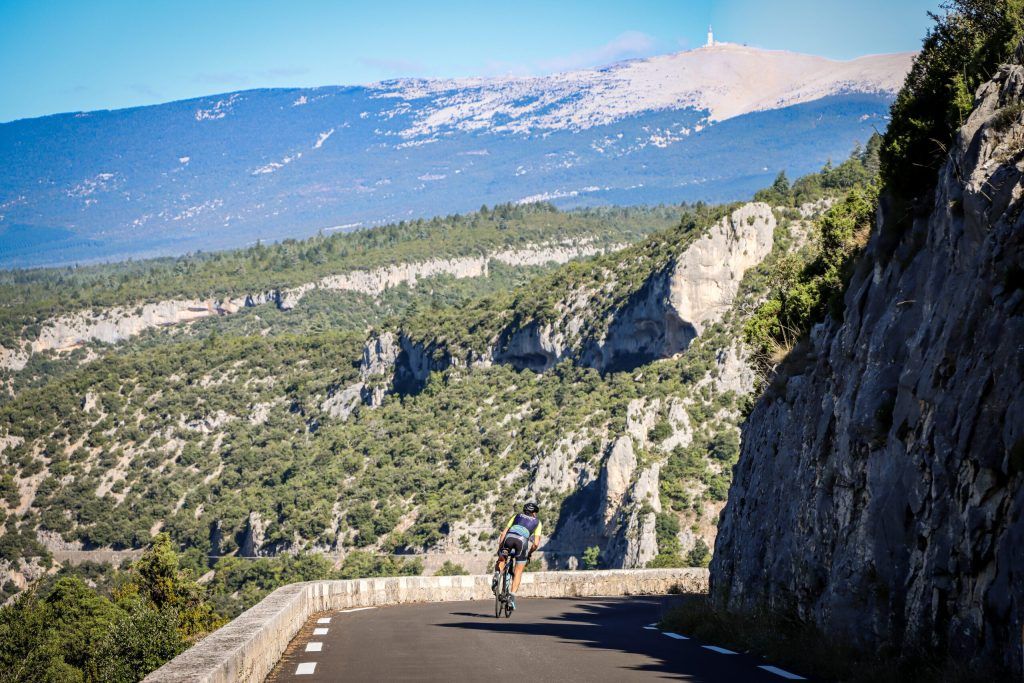
The iconic, historic, world-famous, Tour de France featured ride that climbs miles and miles above the beautiful Provence region in France.

Location

Mazan, Provence, France

light blue icon link

Distance

52 miles / 85.2km

light blue two peak mountain icon

Elevation Gain

6,504ft / 1,982m

light blue cloud and sun icon

Best Time to Visit

Spring or Fall

light blue road icon

Surface

Paved Road

light blue icon that depicts that something is loading.

Difficulty

Level 4

light blue stoplight icon with boarder

Traffic

Level 1

Discover this ride on our Provence bike tour

Cycle through beautiful gorges, market towns, and one of the Tour's epic climbs

Nicknamed “The Beast of Provence” and “The Giant of Provence” for good reason, this challenging climb takes you 1600 meters up at grueling gradients to the barren mountaintop.

As you approach the summit, you can envision the many times this road was lined with adoring fans cheering on the suffering Tour de France riders as they pedal up this painful mountain stage. The reward from the top is an incredible, 360-degree view of the Provence wine country where you can spot the road you will be riding for the rest of the day.

What you need to know

RIDE DETAILS
The average grade on the climb is 7.5% but there are sections of sustained gradients much higher…think, 14-15%. After the challenging climb, enjoy a nice mellow, flat, pedal through the vineyards and beautiful old French villages. This ride should absolutely be on any cycling fans list, conquering Ventoux will not only give you bragging rights but also a taste of cycling’s rich history in the area.

WEATHER
Like most mountains, even on a warm day it has the potential to be incredibly cold and windy once you reach the top. Keep this in mind when packing your gear. 

FUEL
Roughly halfway up the climb, you can resupply water, snacks, have a coffee, and use the restroom at Chalet Reynard. After conquering Mont Ventoux, there are many spots to refuel before the rest of your ride. Bedoin, at kilometer 53 has many restaurants and cafes.

While you’re in town

There is so much to do in this special region of France. Many amazing rides, famous wineries, open-air markets in Gordes and Menerbes, hiking in Gorges de La Nesque and so much more. Plan to spend several days here to experience it all.

You can ride up Ventoux on three different routes. This ride is the most popular but, stop by the Bedoin tourist office and get a ‘passport’ and collect your stamps after you conquer all three directions!

Ready for Mont Ventoux?

Book early and save. We reward our guests with lower pricing and more dates to choose from the earlier you book. Rest assured, once you book, your price is guaranteed.

Les Deux Alpes to Alpe d’Huez to Col de Sarenne Loop

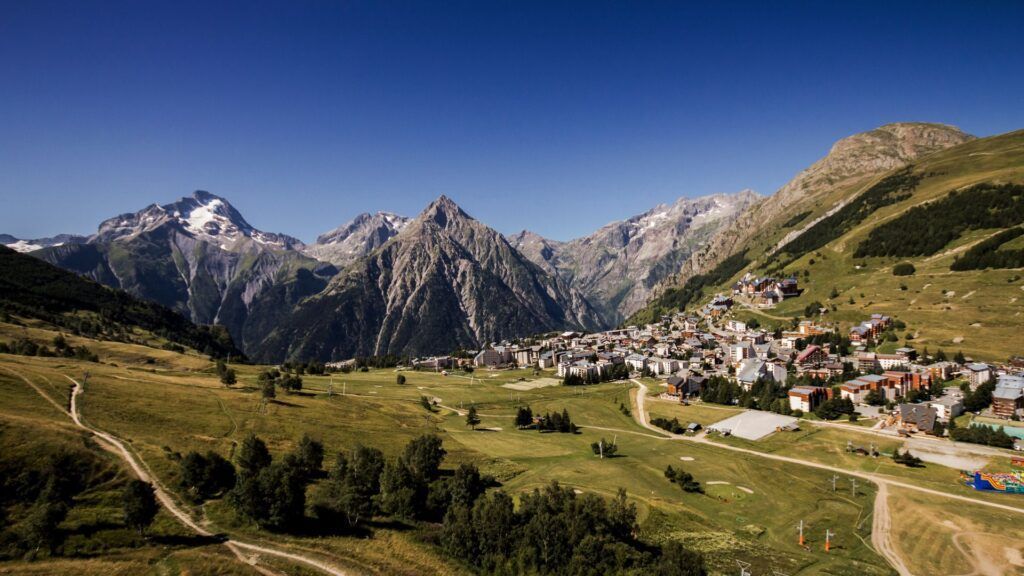
The town of Les Deux Alpes
Great cycling rides logo Trek Travel

Les Deux Alpes to Alpe d’Huez to Col De Sarenne Loop

Les Deux Alpes to Alpe d’Huez to Col De Sarenne Loop

#3 on our Great Rides list

Alpe d'Huez

Any fan of the Tour de France has heard of the iconic climb, Alpe d’Huez.

Location

Alpe d'Huez, Haut Alps, France

light blue icon link

Distance

43 miles / 69km

light blue two peak mountain icon

Elevation Gain

4,520ft / 1,378m

light blue cloud and sun icon

Best Time to Visit

Spring, summer, or fall

light blue road icon

Surface

Paved Road

light blue icon that depicts that something is loading.

Difficulty

Level 4

light blue stoplight icon with boarder

Traffic

Level 2

Discover this ride on our Classic Climbs bike tour

Legendary Climbs including Colombière, Glandon, Croix de Fer, and Alpe d’Huez

With the name comes images of cycling greats battling each other while ascending the 21 switchbacks to the village of Alpe d’Huez.

The climb itself is 13.8km long at an average gradient of 8.1%, gaining 1135m of climbing. Each switchback has a plaque counting down the turns so you don’t forget, while offering inspiration of previous tour winners and their year. There are two podiums to showcase your feat of ascending the Alpe, one is in the town, and the other is at the official finish line of the Tour de France. Our route will take us on a similiar path as the 100th of Edition of the tour in 2013 tour, which ascended the Col de Sarenne. This Col is little known, but offers the cyclist stunning views of La Meije, Les Deux Alpes, and the surrounding Haute Alpes. The descent to the Lac du Chambon is stunning, and we pass through stunning villages. Once at the Lac we have one more climb back to the village of Les Deux Alpes.

What you need to know

RIDE DETAILS
While climbing Alpe d’Huez is every cyclists dream, in the summer time, the village of Alpe d’Huez is extremely busy with tourists, and the road is usually full with cyclists and vehicles.

WEATHER
During the summer months, it is best to tackle Alpe d’Huez earlier in the day versus later in the day. The combination between high temperatures and late afternoon thunderstorms can make the ascent a true adventure. If you are wanting to tackle Alpe d’Huez to see your fastest time, it is best to experience it the first time at a comfortable pace and to take in the views, the switchbacks, and the crowds. This will allow you to understand the climb better, along with knowing where the finish of the Tour de France line is located. Then, your second attempt, if you are going for your Personal Record, you are able to really go for it!

FUEL
There are numerous places to refuel on today’s ride, but it is best to refuel before you begin your ascent of the Alpe. Once on top of Alpe d’Huez, it is another great time to refuel. There are limited services between Alpe d’Huez and Mizoën.

While you’re in town

At the finish line of the in the village of Alpe d’Huez is the Trek Store. This is one of our favorite locations to purchase an Alpe d’Huez cycling kit, and or some form of memorabilia reminding you of your famous ascent. At times, they have medals that you can purchase to remind you of your climb.

In Alpe d’Huez Tourism office, one is able to purchase a certificate that you can have officially stamped to show your time up Alpe d’Huez. It is a great way to immortalize your ascent up this famous climb!

If cycling back up to Les Deux Alpes is not for you. After your ascent up Alpe d’Huez and the Col de Sarenne, you could descend back to the valley floor, make a left onto the D 530 to Venosc and then for a few Euro’s, you can take a ride in the Telecabin back to Les Deux Alpes. It is a great way to achieve longer descent, with less uphill effort.

Ready for for this ride?

Book early and save. We reward our guests with lower pricing and more dates to choose from the earlier you book. Rest Assured, once you book, your price is guaranteed. 

Zion Canyon Return

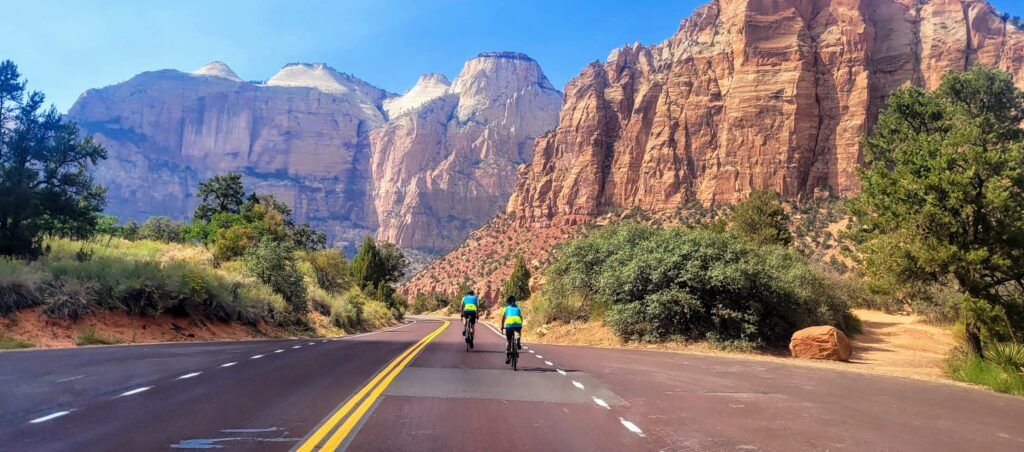
Two people riding bikes in Utah
Great cycling rides logo Trek Travel

Zion Canyon Return

#2 on our Great Rides list

Zion National Park

This short but incredible ride is not one to miss if you are in the Southwest United States.

Location

Zion National Park, Utah, USA

light blue icon link

Distance

16.7 miles / 27km

light blue two peak mountain icon

Elevation Gain

1,213ft / 370m

light blue cloud and sun icon

Best Time to Visit

Spring or Fall

light blue road icon

Surface

Paved Road

light blue icon that depicts that something is loading.

Difficulty

Level 1

light blue stoplight icon with boarder

Traffic

Level 1

Discover this ride on our Bryce & Zion bike tour

The rugged, stunningly beautiful landscape of southwest Utah has been capturing hearts for generations.

Zion canyon was officially dedicated as a National Park in 1919 and boasts some of the most dramatic sandstone canyons, raging rivers and unique wildlife in the country.

This ride will take you along the flash-flood prone virgin river as you wind through Zion canyon surrounded by 3,000ft sandstone walls. The canyon walls will narrow and cottonwood trees will line the road as you approach the end of the bikeable terrain at the Temple of Sinawava where you can peak your head toward the iconic river hike, The Narrows, which takes you further up the canyon. This truly unique experience is not one to miss! Cyclists will have to pay a $20 per person fee upon entering the park. This pass will be good for 7 days of re-entry so you can keep coming back to explore all Zion canyon has to offer. The pavement through the canyon is excellent making it great for all types of bikes. It should be noted, though, that electric bikes are not allowed in the park or on park paths.

What you need to know

RIDE DETAILS
While it is net uphill from Springdale to Temple of Sinawava, the grade is mellow and comfortable. You’ll want to go slowly to bask in the impressive and awe inspiring canyon, anyway. Take a bike lock and hiking shoes with you and stop at one of the many trailheads throughout the canyon to further explore this national treasure.

WEATHER
Fall and spring are the best times to visit the canyon when the temperature is more moderate and fewer people visit the park. Summer months can be very busy, extremely hot and have a high risk of encountering a flash flood. Winter months are very cold and sometimes icy or snowy. The massive canyon walls block the low winter sun and the road rarely sees sunlight in the winter therefore, is far colder than outside the canyon.

FUEL
Once in the canyon, there are several spots to fill water and about half way into the ride you can stop at Zion lodge to purchase snacks, souvenirs or have an ice cream cone (except for winter months).

While you’re in town

Springdale has several excellent restaurants, galleries and shops. Don’t miss the opportunity to explore town as the sun sets over the canyon walls or enjoy a drink on one of the many patios in town as the stars come out.Springdale has several excellent restaurants, galleries and shops. Don’t miss the opportunity to explore town as the sun sets over the canyon walls or enjoy a drink on one of the many patios in town as the stars come out.

There are several non-biking options for activities in Zion National Park, everything from hiking to backpacking to canyoneering to climbing. The many outfitters in town will get you set up with a guide and the proper gear to prepare for your adventure.

While Springdale is quite small, there are several lodging options. From larger chains to small bed and breakfasts or national park campsites. These generally fill up far in advance during high season so book in advance! In the event that Springdale is booked out, there are plenty more lodging options 30-45 minutes away in Hurricane and St. George.

Ready for this ride?

Book early and save. We reward our guests with lower pricing and more dates to choose from the earlier you book. Rest assured, once you book, your price is guaranteed.

Sa Colobra

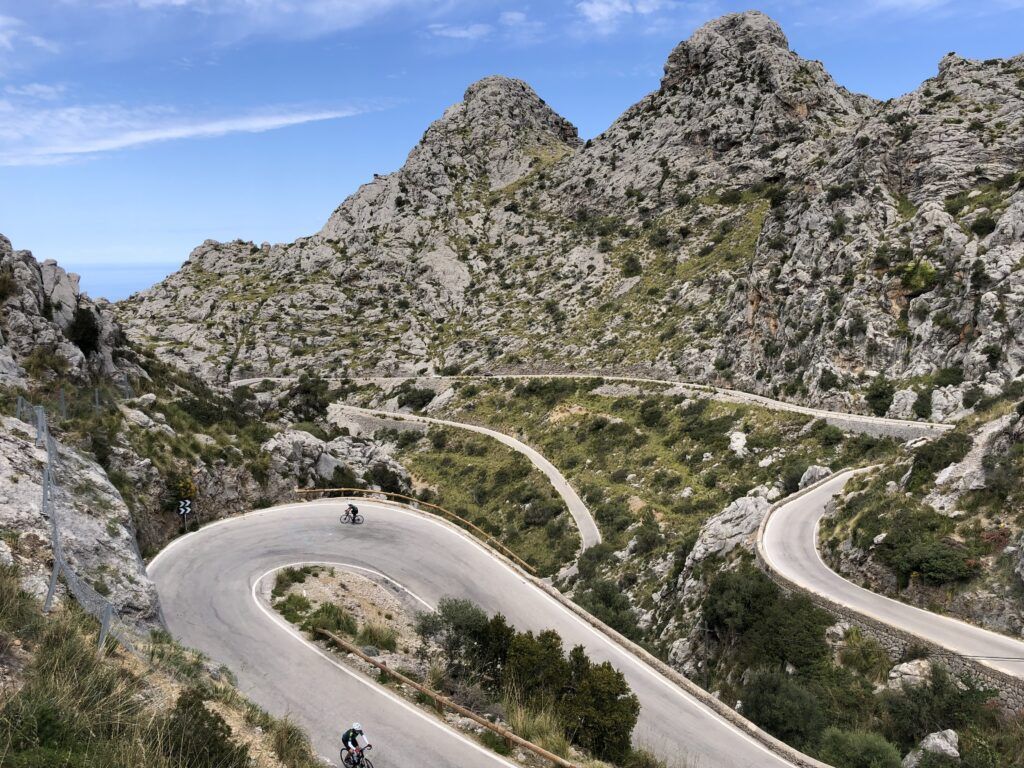
Landscape view of cyclists on Sa Calobra, with road twisting through the mountains
Great cycling rides logo Trek Travel

Sa Calobra

#18 on our Great Rides list

Mallorca Island

Mallorca is a cyclist paradise, boasting more bicycles on the roads then cars and ranks as our #18 Greatest Ride in the World.

Location

Sa Calobra, Mallorca, Spain

light blue icon link

Distance

61 miles / 98km

light blue two peak mountain icon

Elevation Gain

7,081ft / 2,158m

light blue cloud and sun icon

Best Time to Visit

Spring or fall

light blue road icon

Surface

Paved Road

light blue icon that depicts that something is loading.

Difficulty

Level 4

light blue stoplight icon with boarder

Traffic

Level 1

Discover this ride on our Mallorca ride camp

Spain's Alluring Island Paradise

A simple spin around the island will reveal this truth. The roads feel like they were designed specifically for the bike.

Today’s ride to Sa Calobra is the ultimate descent and ascent on the Island for cyclists. This road was built by local Antonio Parietti Coll, of Italian descent, who wanted to keep the integrity of the landscape. Peter Stuart’s article, “Chasing Perfection” on cycling.co.uk sums the ride up best, “this as close as one could get to a perfect road…” Today’s ride begins with an amazing 28km climb at 3% past the Lluc Monastery. As we leave the small villages of Mallorca and climb into the Tramunta Mountains, the sweeping switchbacks, views of the mediterranean, and the quality of pavement leave you in a state of awe. Upon reach the top of our climb, we find ourselves at the Coll de Cal Reis, 682 m.a.s.l.. The next 9.5km is a descent at 7% average to the village of Sa Calobra. This part of the ride is the cyclists dream. Sweeping switchbacks, views, changing topography, and a 270* spiral bridge known as the “Tie Knot.” After enjoying the sea, having a drink, we tackle the climb back up to the col. The next 50km from the top of Sa Calobra will leave you with a -1.6% ride taking you back to the hotel. If there is one ride that you must do in your life, this is that ride.

What you need to know

RIDE DETAILS
Today’s route is highlighted by Sa Calobra, but the majority of the ride would be a noteworthy in any other country. There are numerous places to refuel along the route. Remember to stop and enjoy the journey today. The descending on today’s route is superb. Be aware of the vehicular traffic while descending to Sa Calobra. At times, the tour busses and cars may become annoying. If this is the case, wait and give them ample time / space. The descents are far more enjoyable when you are not constantly on your brakes.

WEATHER
It is best to take layers with you today. The temperature changes due to the elevation gain and loss of the ride, along with cycling in the mountains, can be extreme. Having a light windbreaker or vest will make all the difference.

FUEL
There are ample spots to grab food and water on today’s ride. The first being at the Coll de la Batalla just over 16km into the ride. The next is 9km later at a coffee shop sitting below a Roman Aqueduct. Sa Calobra is a great place after your descent to refuel. Then on the remainder of your ride, every 5 to 10km there are spots to refuel, or stop and rest and take in the view.

While you’re in town

Cycling to Sa Calobra and taking the boat back to the Port of Soller is a fantastic option. The beauty of the coast line of Mallorca is stunning. Also, you may want to back a suit in your jersey to jump into the after your descent to the village.

In the village of Sa Calobra, there is a little path that takes you through a tunnel to the Torrent de Pareis. This little passage opens to a stunning beach that feels like it is cut off from society. If you are looking to ride and to get away from the crowds, this is a fantastic place to spend some time and watch the waves break.

Ready for Sa Calobra?

Book early and save. We reward our guests with lower pricing and more dates to choose from the earlier you book. Rest assured, once you book, your price is guaranteed.

Private

If a date is marked as Private, it is reserved for a private group.

Don’t see exactly what you are looking for or looking for a custom date?
Call our trip consultants at 866-464-8735

Hotel Differences

Trek Travel offers three hotel levels to match your style. Luxury hotels provide elegant, thoughtful touches with exceptional hospitality. Explorer hotels blend modern amenities with local charm in unique settings. Comfort hotels are casual and conveniently located near Trek Travel activities.

Activity Levels

Level 1:

Road: 1-3 hours of riding. Up to 25 mi (40 km). Up to 1,000 ft (300 m).

Gravel: 1-3 hours of riding. Up to 20 mi (35 km). Up to 1,000 ft (300 m).

Hiking: 1-3 hours of hiking. Up to 5 mi (8 km). Up to 1,000 ft (300 m).

Level 2:

Road: 2-4 hours of riding. 20-35 mi (35-60 km). Up to 2,500 ft (750 m).

Gravel: 2-4 hours of riding. 15-30 mi (25-45 km). Up to 2,000 ft (300 m).

Hiking: 2-4 hours of hiking. 4-8 mi (6-12 km). Up to 1,500 ft (450 m).

Level 3:

Road: 3-5 hours of riding. 25-55 mi (40-85 km). Up to 4,500 ft (1,500 m).

Gravel: 3-5 hours of riding. 20-40 mi (35-60 km). Up to 3,000 ft (900 m).

Hiking: 3-5 hours of hiking. 6-10 mi (9-16 km). Up to 2,000 ft (600 m).

Level 4:

Road: 4+ hours of riding. 40-70 mi (60-110 km). Up to 8,000 ft (2,400 m).

Gravel: 4+ hours of riding. 30-50 mi (45-80 km). Up to 4,000 ft (1,200 m).

Hiking: 4+ hours of hiking. 7-15 mi (11-24 km). Up to 4,000 ft (1,200 m).

What are your trip styles?

Classic Bike:

Explore beautiful destinations with a curated blend of guided activities, local cuisine, handpicked accommodations, and itineraries to suit every traveler, from laid-back adventures to luxurious escapes.

Gravel:

Venture off the beaten path to unforgettable places, with fully-supported routes that combine gravel and paved roads in classic Trek Travel style.

Cross Country:

Tackle an epic adventure that takes you point-to-point across mountains, countryside, and more.

Pro Race:

See the pros in action at the biggest cycling events of the year.

Hiking & Walking:

Step into adventure with carefully designed routes, unparalleled hospitality, and deep-routed local connections.

Ride Camp:

Train like the pros in some of their favorite riding destinations.

Self-Guided:

Enjoy a bike tour on your schedule with just your chosen travel companions.

Single Occupancy

Sometimes it’s more convenient and comfortable to have your own room while on vacation. We understand and that’s why we offer a Single Occupancy option. The additional price guarantees a private room all to yourself